.webp?width=1200&height=698&name=menu%20item%20-%20fashion%20(1).webp)
.webp?width=1200&height=544&name=menu%20item%20-%20collaboration%20(2).webp)
.webp?width=1200&height=544&name=menu%20item%20-%20samples%20(1).webp)
.webp?width=1200&height=544&name=menu%20item%20-%20profit%20%26%20margins%20(1).webp)
.webp?width=1200&height=544&name=menu%20item%20-%20compliance%20(1).webp)

PLM & Product Development
6 minute read
I still remember standing in a fabric market in Shanghai early in my career. We had travelled there to source materials for the next collection, and the collection evolved as we walked through the market. We'd discover a fabric we loved, adjust a colour, change a style and head home with a collection that looked very different from the one we had planned before boarding the plane.
At the time, product development was about creating great products. We worked closely with suppliers, refined the details, placed our orders and made sure everything arrived on time. It wasn't always perfect, but it worked. Looking back now, it's remarkable how much the fashion industry has changed in just 15 years.
When I started as a Junior Buyer, product development relied heavily on experience, relationships and creativity. We managed collections through spreadsheets, emails, phone calls and countless conversations with suppliers. There was rarely one place where everything lived, but there didn't need to be. As long as everyone knew what they were doing, products made it from sketch to store. Today, I don't think that way of working would be enough.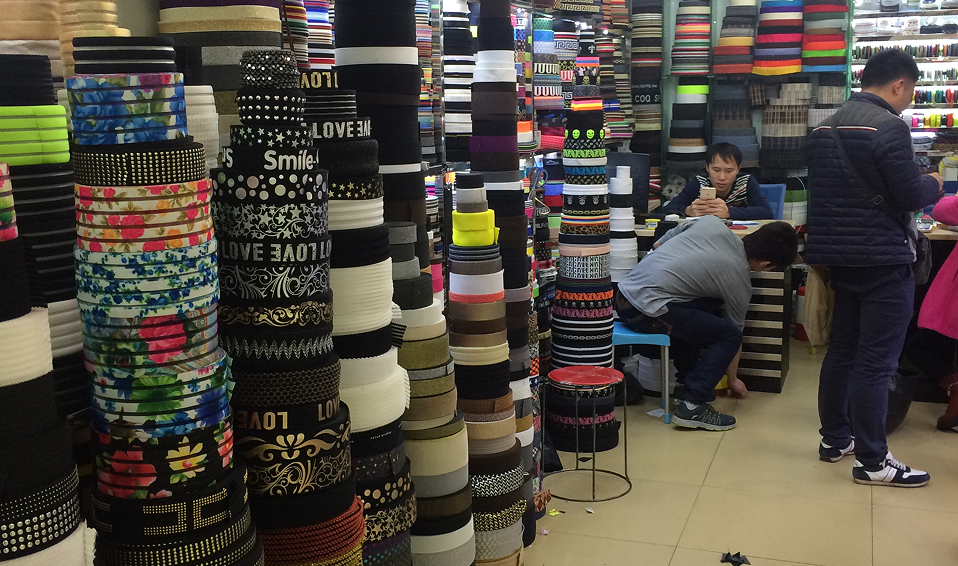
It worked until it didn't
The first major shift I experienced wasn't AI. It was the growing focus on sustainability. Suddenly, organic cotton, recycled materials and certifications became part of everyday conversations. New roles started appearing across the industry. Brands began looking more closely at how products were made and where materials came from. But the real turning point came when legislation entered the picture.
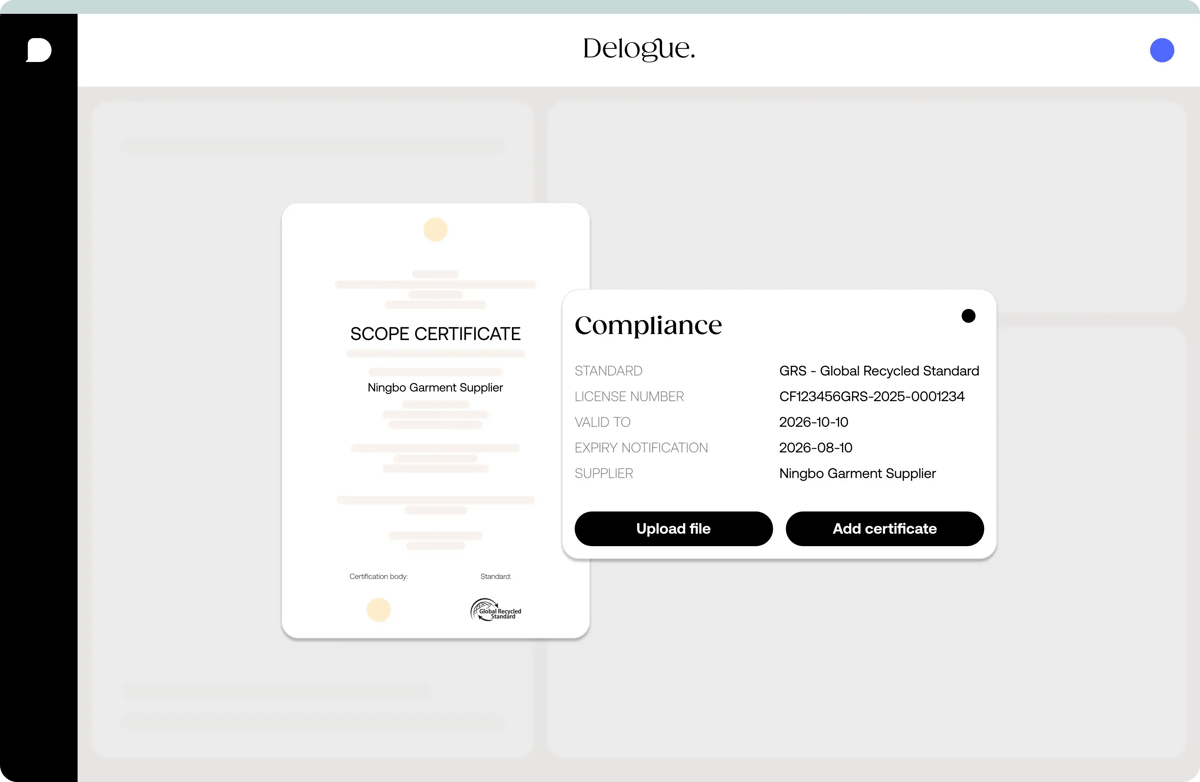
The EU strategy for more sustainable and circular textiles changed the conversation completely. Sustainability was no longer just about making better choices or communicating good initiatives. It became about documentation, transparency and accountability. Brands suddenly had to prove what they were doing, not simply say it. That changed product development in a way I don't think many people fully realised at the time.
Then everything changed again
Today, it feels impossible to attend a conference or open LinkedIn without hearing about artificial intelligence. Some people are excited. Others are sceptical. Most are still trying to figure out what it actually means for their daily work. Personally, I think AI has highlighted something the fashion industry has been able to postpone for years.
Throughout most of my career, product development could run on spreadsheets, emails, WhatsApp messages and strong supplier relationships. It wasn't always efficient, but it was enough.
The funny thing is, I never questioned it.
It was simply how the industry worked, and I don't think any of us imagined we'd one day be talking about Digital Product Passports, AI-powered product development or product data as a competitive advantage.
Today, it isn't enough anymore. Fashion brands can still design beautiful collections. They can still build strong supplier relationships and create products that customers love. That part of our industry hasn't changed. What has changed is everything that surrounds the product.
The real shift
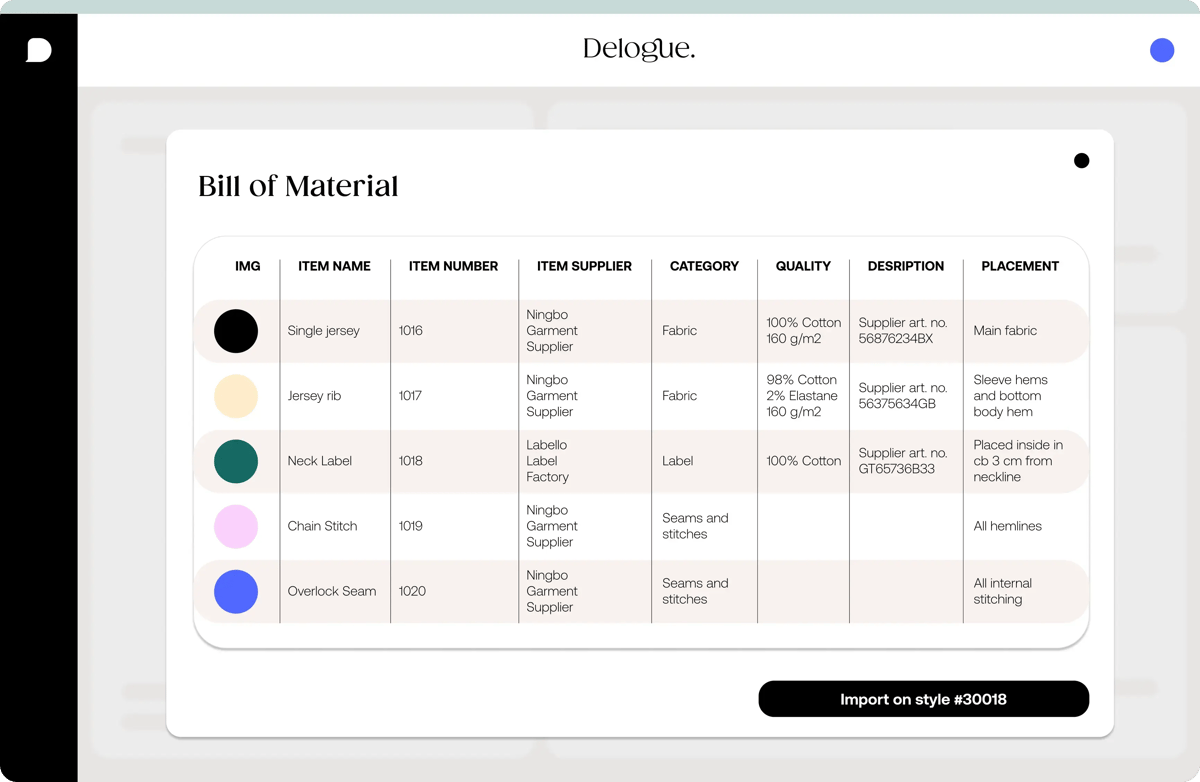
The amount of information connected to every style has grown dramatically. Materials, certifications, packaging, traceability, supplier documentation, environmental data, testing, compliance requirements and, increasingly, the data needed to make AI genuinely useful. None of these things replace creativity, but they have become part of the reality of bringing a product to market.
And perhaps that's the biggest shift I've witnessed over the past 15 years. When I started my career, product development was largely about turning an idea into a product. Today, it's also about turning that product into trusted information that can move through an increasingly complex value chain. That's not because fashion has become less creative. It's because the world around fashion has become more demanding.
What changed
I don't think creativity has become less important. In fact, I believe it's become even more valuable. But creativity now needs a stronger foundation than it did fifteen years ago. It needs information that can be trusted, collaboration that reaches beyond individual teams and processes that can support increasing complexity without slowing people down.
Looking back, I don't think the biggest transformation in fashion has been sustainability or artificial intelligence. Those are simply the forces that exposed something our industry could previously live without. The real transformation has been the growing importance of product data.
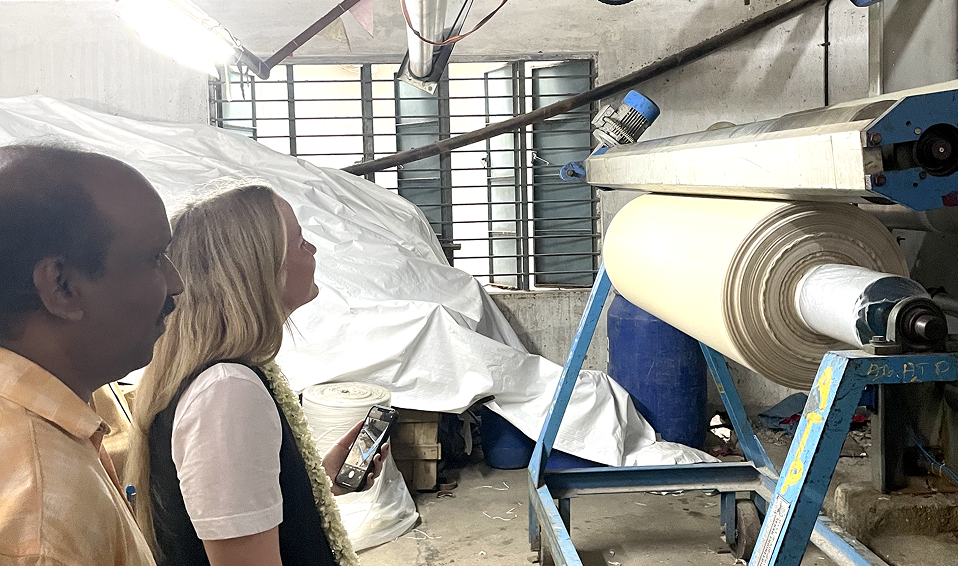
If I walked through that same fabric market in Shanghai today, I'd still be inspired by the colours, the materials and the craftsmanship. I don't think that part of fashion will ever change. At least I hope it never does. But today I'd also know that every fabric, every trim and every product carries a story told through data.
Fifteen years ago, creativity was enough to bring a product to life. Today, creativity still starts the journey. But data is what helps it reach the finish line.