






Tier 2 Supplier
A tier 2 supplier is one step behind your direct supplier: the business that makes the fabric or components your tier 1 supplier uses to produce the finished product. A typical example is the mill that knits or weaves the fabric for the factory that sews your garments.
How a tier 2 supplier works
Tier 1 sits closest to the finished product, and as you move upstream you meet the suppliers behind your suppliers. A tier 2 supplier usually works for your tier 1 supplier rather than for you, so many brands have no direct relationship with it. It might be the mill behind the fabric or the maker of components such as buttons, zippers and thread. One step further back, tier 3 covers earlier processes like spinning fibres into yarn. Definitions vary between brands, but tiers are always counted back from the finished product.
Why tier 2 suppliers matter for fashion and lifestyle brands
Much of the information brands need about a product does not sit with the direct supplier: where the fabric was woven, where it was dyed and what treatments were applied. New regulation, including the upcoming Digital Product Passport, is pushing for greater product and supply chain transparency. Mapping tier 2 is also central to supplier risk management. When three tier 1 suppliers rely on the same tier 2 supplier for an important component, that one business is a shared point of failure that stays hidden until you look beyond your tier 1 supply chain.
Tier 2 suppliers and Delogue
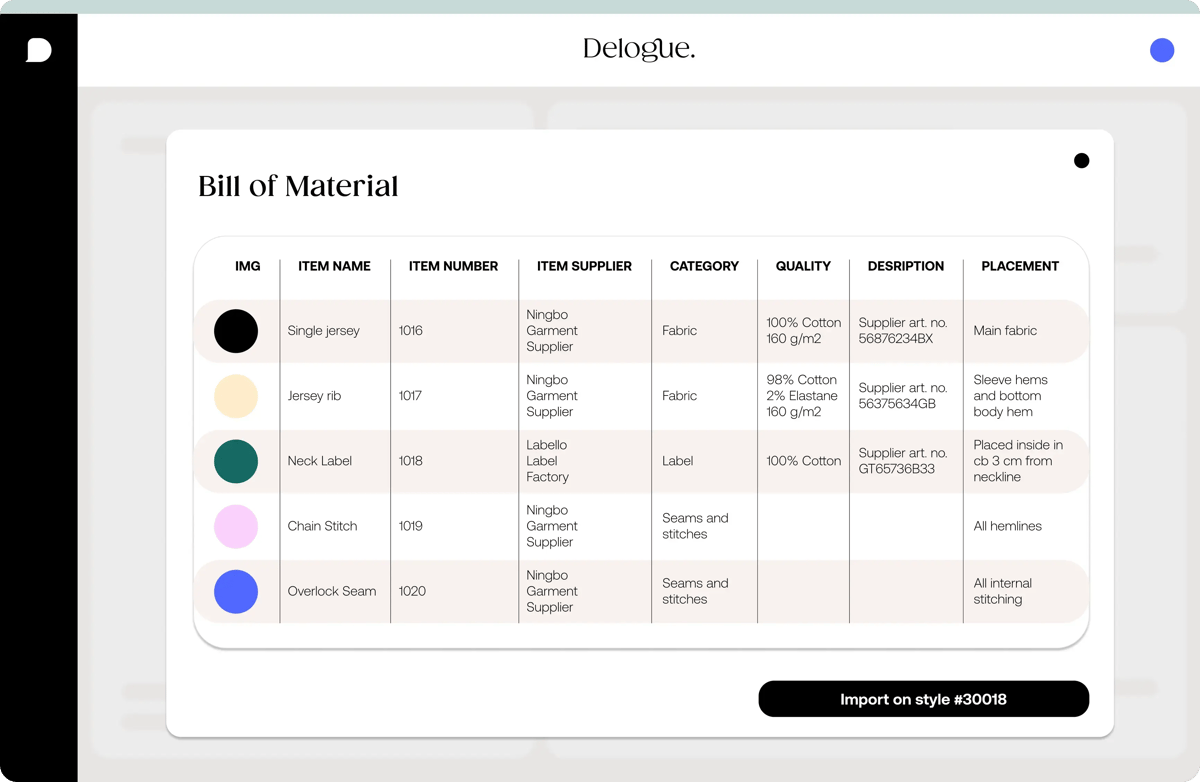
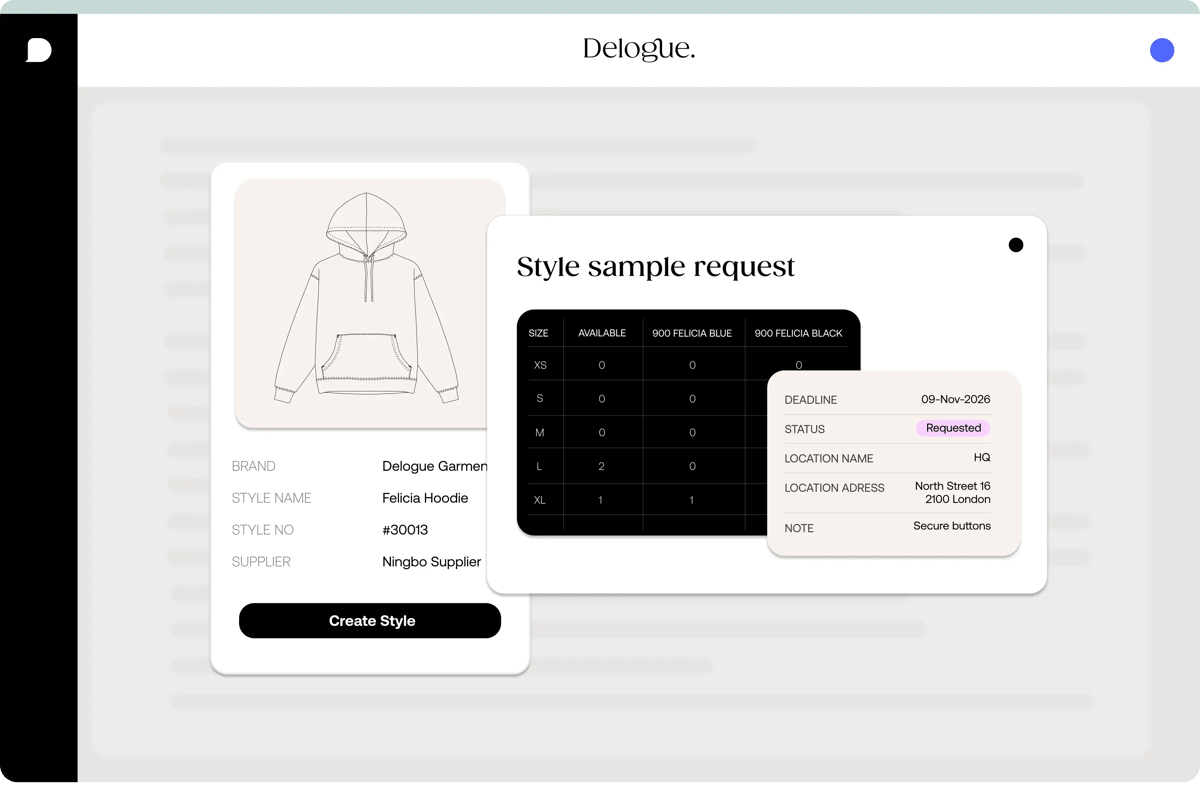
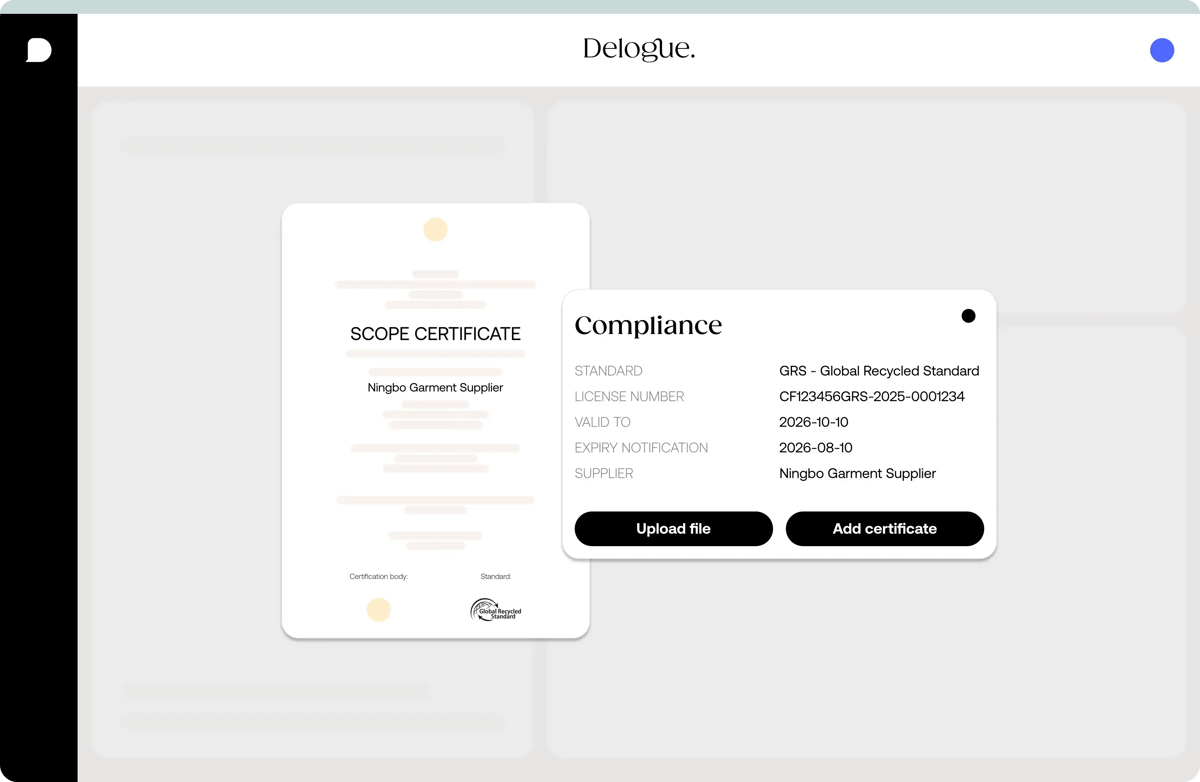
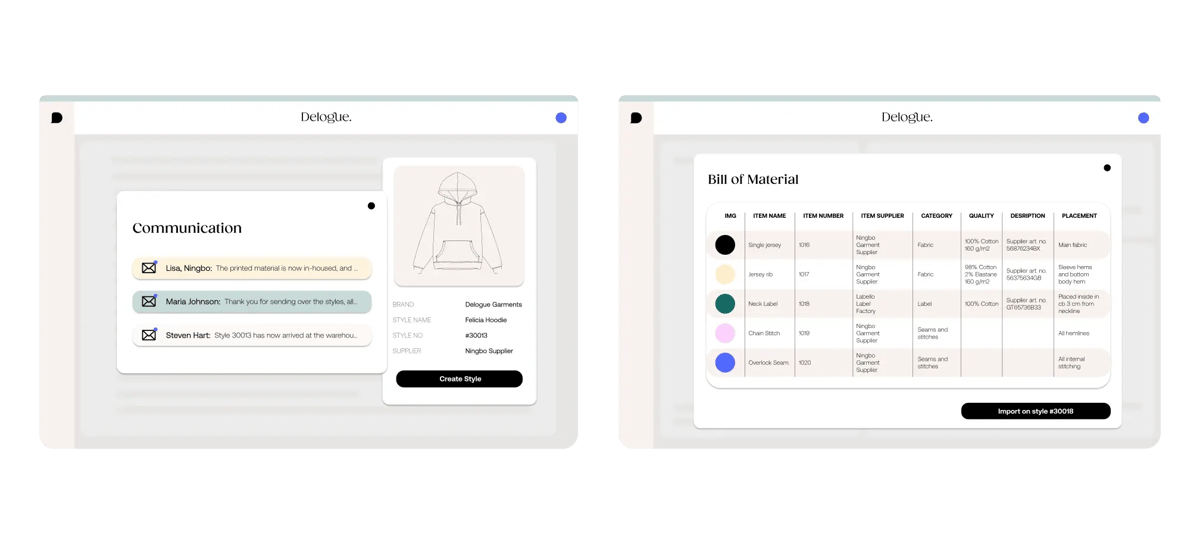
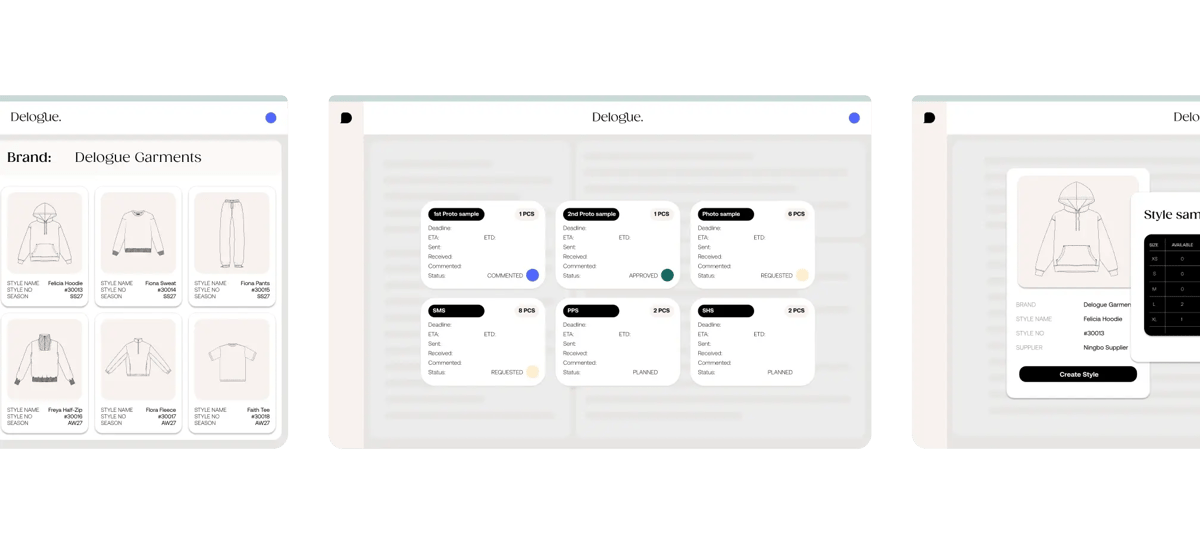
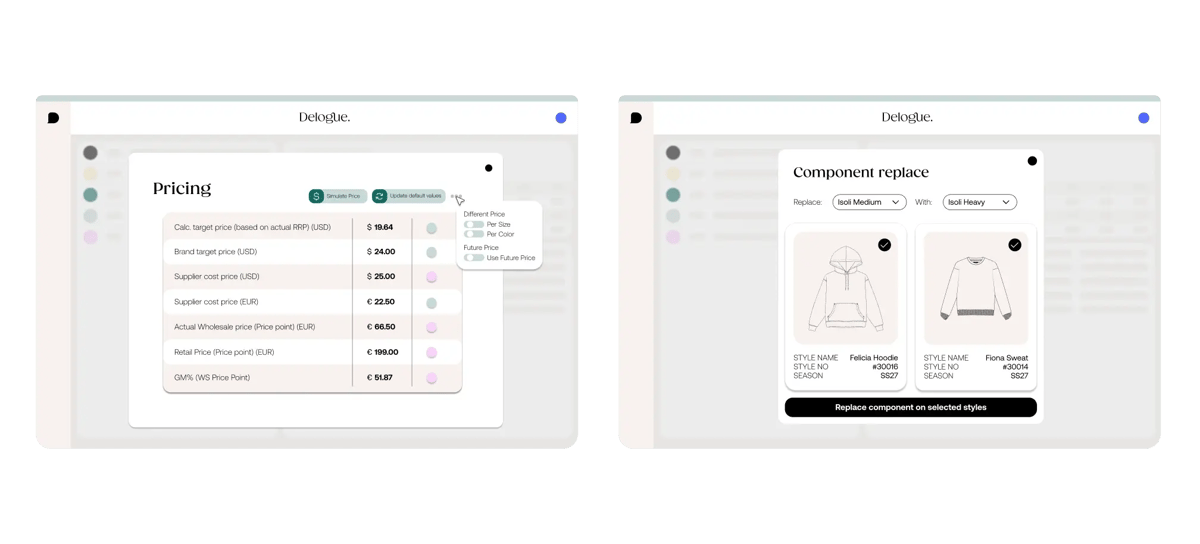
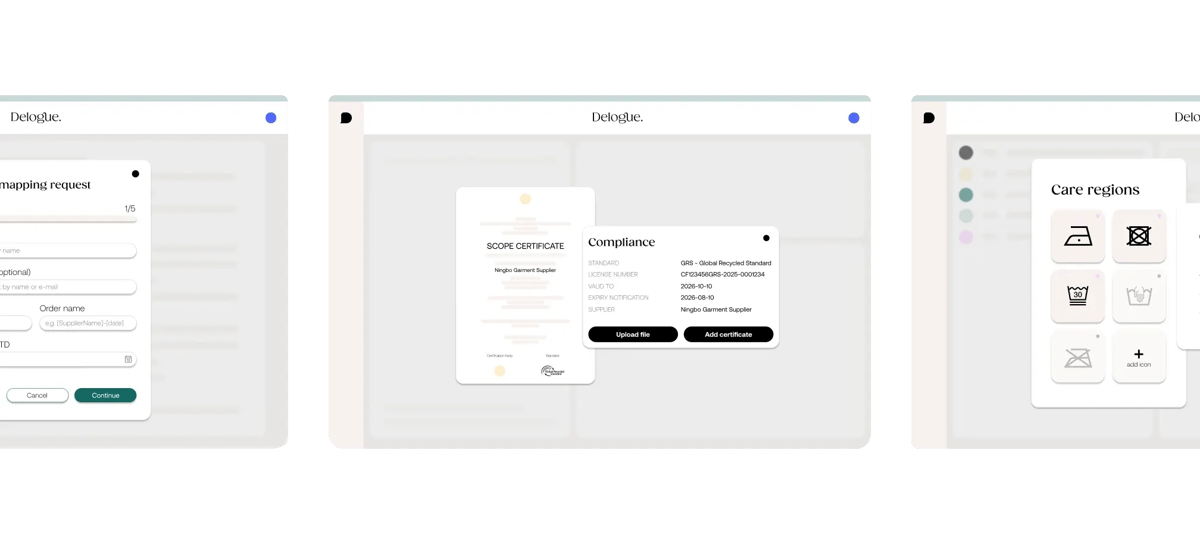
The real knowledge of the supply chain usually sits with suppliers and sub-suppliers. Delogue's Supplier Module maps suppliers and sub-suppliers across multiple tiers, connects them to the materials and products they supply, and manages facility and product certificates in the same platform. Because mapping happens on styles and components inside Delogue PLM, brands and suppliers work from the same structure. Read more on who does what across supplier tiers.
Key takeaways
- A tier 2 supplier makes the fabric or components your tier 1 supplier uses, such as the mill that knits or weaves the fabric.
- Brands often have no direct contact with tier 2, yet it holds key data for transparency and supplier risk management.
- Delogue's Supplier Module maps suppliers and sub-suppliers across tiers and links them to materials and products.
Ready to explore Delogue?
See how Delogue handles product development, supplier collaboration and compliance tracking. Tailored to you.
Book a demo