

.webp)
.webp)
.webp?width=600&height=349&name=menu%20item%20-%20fashion%20(1).webp)







.webp?width=2000&name=menu%20item%20-%20collaboration%20(2).webp)
.webp?width=2000&name=menu%20item%20-%20samples%20(1).webp)
.webp?width=2000&name=menu%20item%20-%20profit%20%26%20margins%20(1).webp)
.webp?width=2000&name=menu%20item%20-%20compliance%20(1).webp)




ESG & Compliance

Every garment tells a story, but that story is incomplete without a care label. Just like a recipe lists its ingredients, clothing must display its composition and care details before it can reach the market. These care label instructions are more than a legal formality, they are a promise of transparency and quality between brands and consumers. For fashion teams, understanding how to manage care instructions requirements correctly is both a compliance requirement and an opportunity to build trust.
The importance of care labelling
Under European law, garments must carry a label that communicates both textile composition and care instructions. These labels guide consumers in washing, drying, and storing garments the right way, ensuring longer life spans and less waste. Correct labelling also supports goals, as it helps clothes stay in use for longer rather than being discarded due to mistreatment.
Within fashion production, the responsibility for care information usually lies with the supplier or manufacturer. They must ensure that the label’s details are accurate and in line with apparel care label regulations. However, brands must make sure that once the product reaches the consumer, the label is securely attached, readable, and permanent.
In recent years, some brands have moved away from traditional polyester tags to printed or heat-transferred labels that feel smoother and reduce material waste. Regardless of format, the care labelling rule remains the same: all garments must provide clear and accessible information for the end user.
Textile Labelling Regulation: what brands must know
In the European Union, the Textile Labelling Regulation (EU No 1007/2011) has governed care and composition labelling since 2011. For fashion brands, this legislation is not abstract policy, it’s a checklist of what must appear on every product before it reaches the consumer.
At its core, the regulation states that textile products with at least 80 % fibre content must include a label detailing the fibre composition in descending order. The information must be clear, legible, and consistent across all products, using the same font, size, and layout. Brands can only use terms like “100 %” or “pure” when one single fibre makes up the entire garment.
If a product contains non-textile parts of animal origin, such as leather, feathers, or horn buttons, that information must appear on the label exactly as “Contains non-textile parts of animal origin”. For any mixed fibres that cannot be fully identified, “Other fibres” may only be used when the total percentage is small, 15 % for several fibres or 5 % for one.
Another key brand responsibility under the care labelling rule is language. Fibre names must be translated into all official languages of the EU countries where the product is sold. This means that a jacket sold both in Germany and Spain needs labels readable in both languages. This is particularly important for e-commerce, where cross-border sales have made multilingual labelling a key part of compliance.
The legislation also specifies the order in which care symbols should appear: washing, bleaching, drying, ironing, and professional cleaning. In Europe, these are governed by GINETEX, the organisation that owns the official care symbols. Using these symbols requires a licence in member countries such as France, Germany, Spain, and the Netherlands.
Upcoming revisions, what to expect next
The EU is now revising the Textile Labelling Regulation (TLR) to reflect a more digital and transparent industry. The proposal is still in progress, but the next version will continue to cover textile products with at least 80% textile fibres, excluding footwear.
The current 2011 apparel care label regulation is starting to show its age. It was written before recycled and organic materials became common, and the official fibre list still lacks clear rules for how to label them. The revision aims to close that gap, making it easier for brands to communicate accurately and consistently.
One of the biggest changes will be the introduction of digital labelling through the Digital Product Passport (DPP), which will store extended sustainability and circularity information online. Physical labels can then stay simple while the digital version provides detailed product data. The update also encourages easy-to-read labels, with symbols, QR codes, and eco labels that help consumers compare products quickly.
Other potential additions include new categories such as “made in” origin, organic or bio-origin, allergenic substances, and socially responsible production. The Commission has also stressed proportionality, ensuring that these new care label requirements stay manageable for smaller brands.
Care instructions in the digital age
As digital transformation reshapes fashion, care information is evolving too. Consumers no longer rely solely on the physical label inside the garment. They expect accurate care label instructions to appear online before purchase, especially on major e-commerce platforms such as Zalando or Amazon. This shift means that brands must manage both their physical and digital labelling carefully, ensuring consistency across every channel.
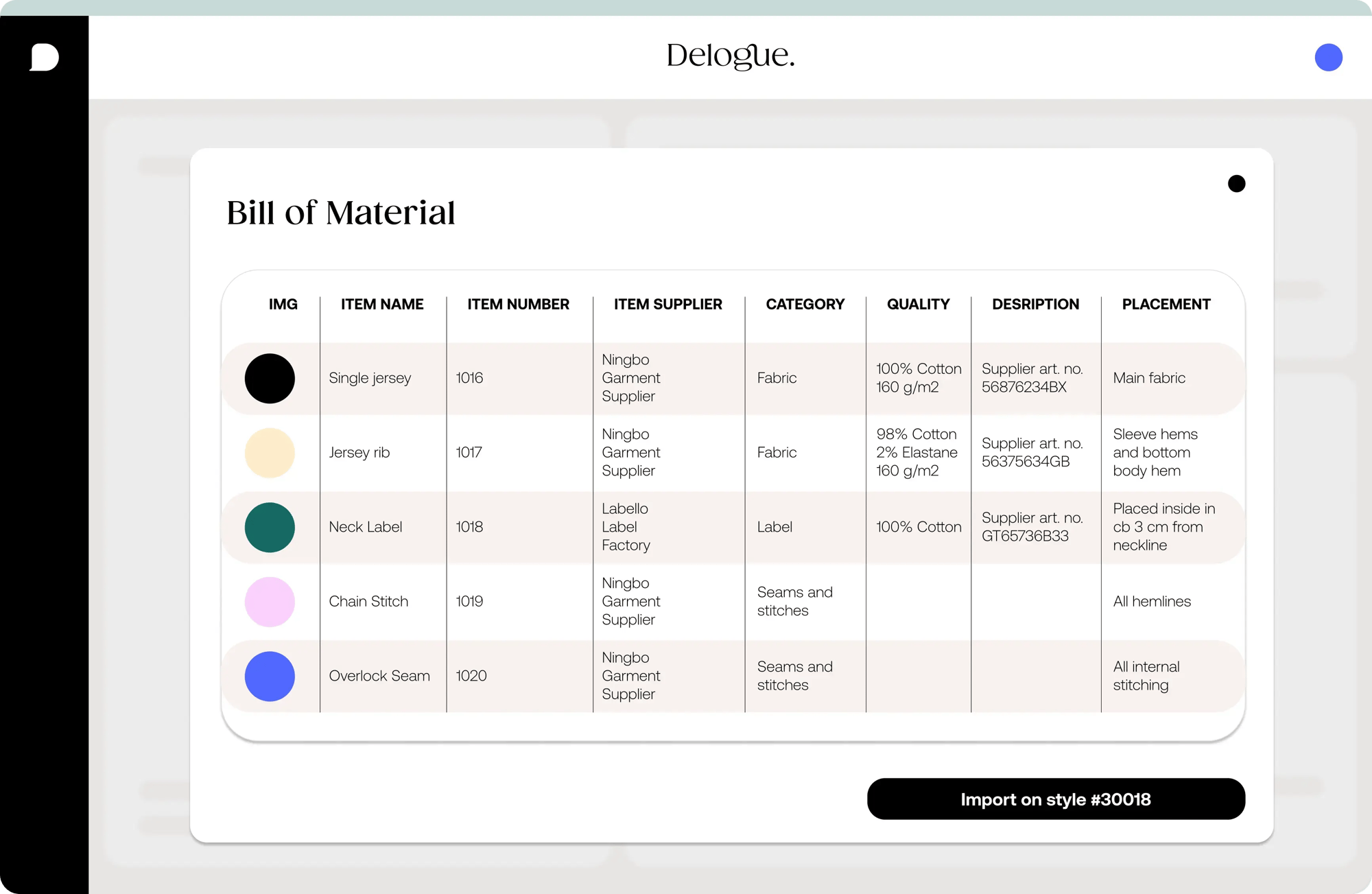
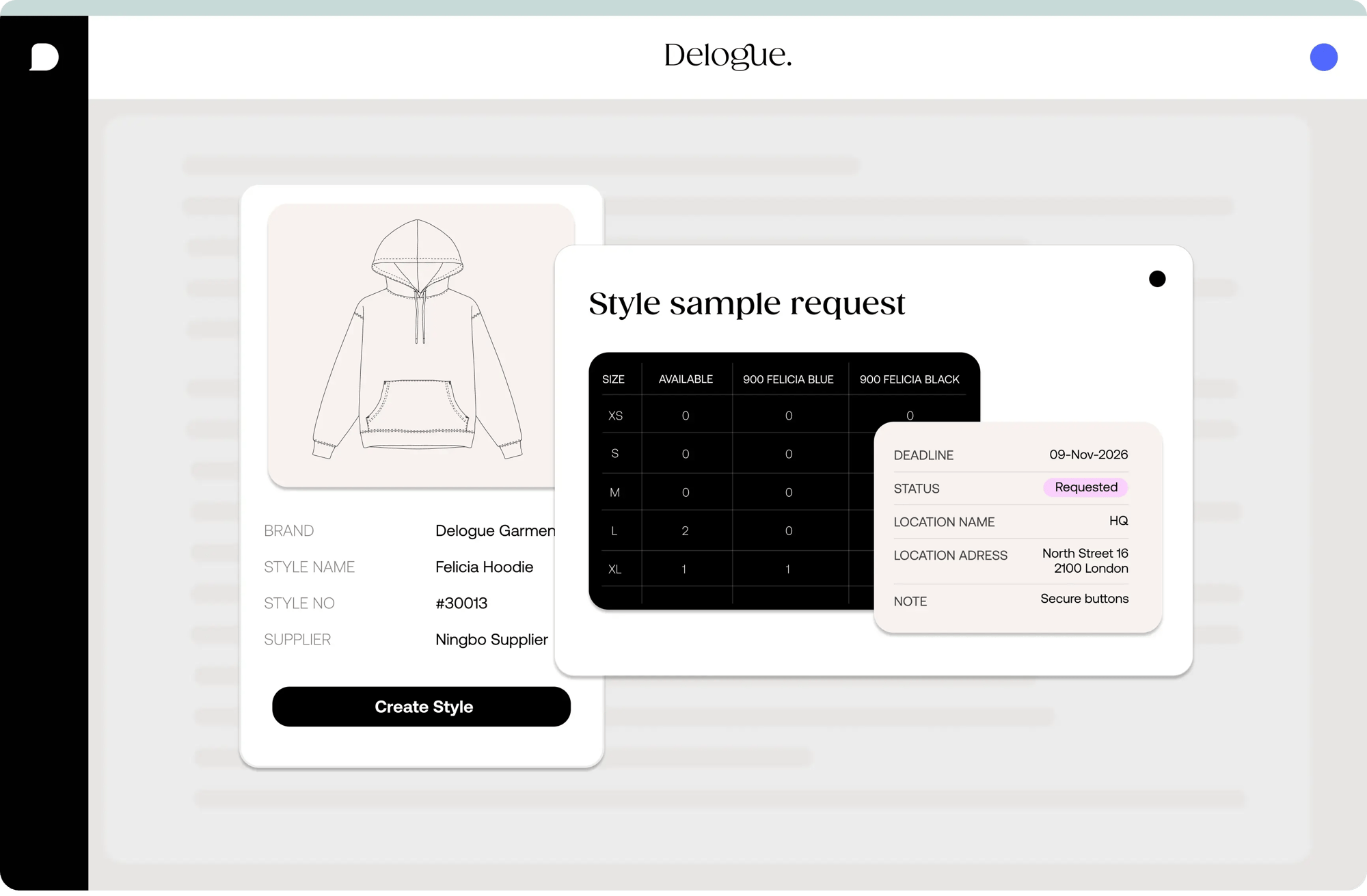
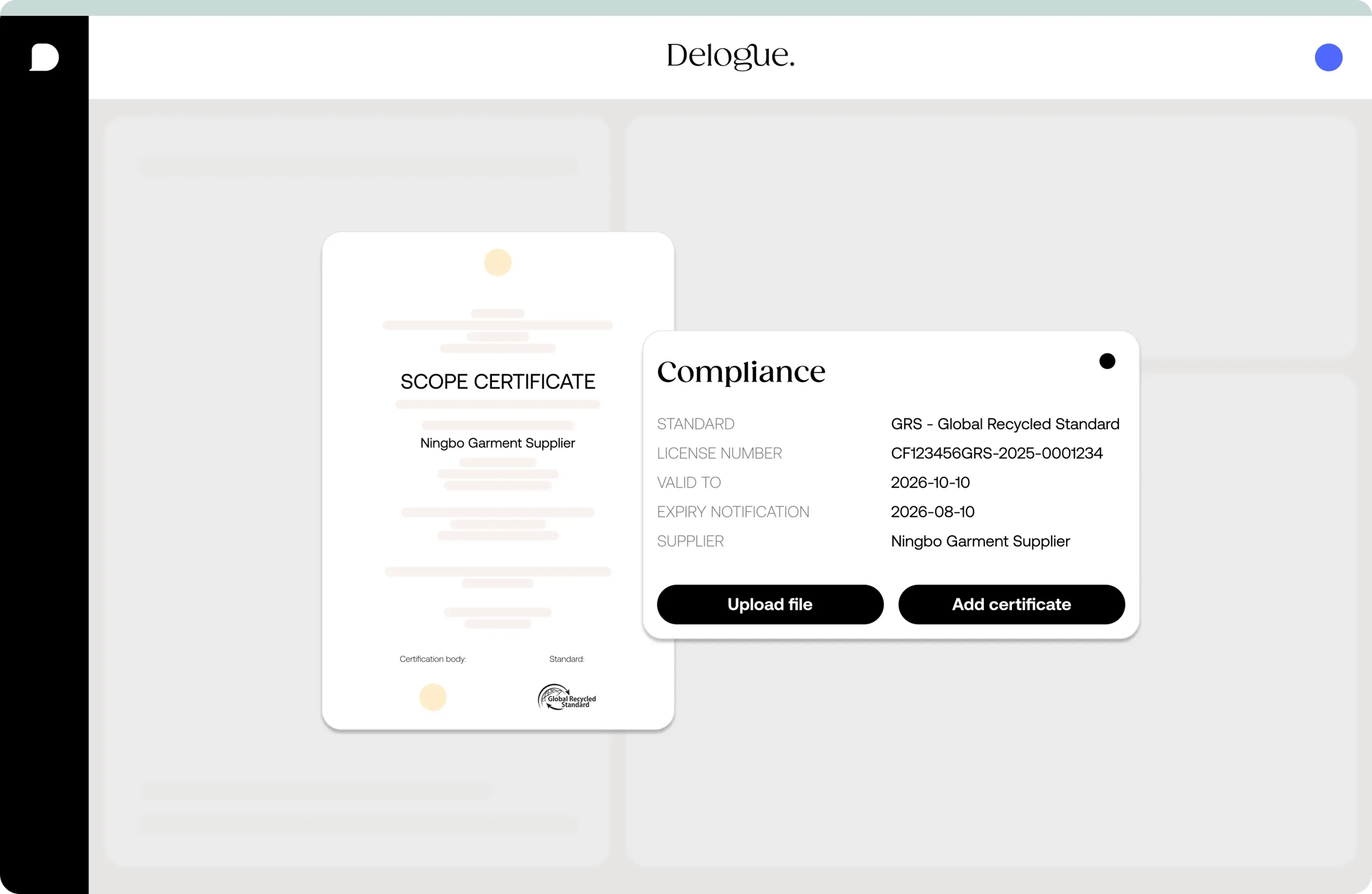
In the future, the integration of digital care labels and product lifecycle management (PLM) systems could make this process far smoother. Through a centralised platform like Delogue PLM, brands can store, update, and share care data in real time across design, production, and retail teams, ensuring that what consumers read online matches what is printed on the product.
The revision of the Textile Labelling Regulation shows that the EU recognises how vital clear and modern care information is for today’s fashion world. For brands, this moment is an opportunity to build better habits: to treat care instructions not as an obligation, but as a way to show craftsmanship, responsibility, and respect for the garments they create.
5 minute read