PLM für IT & digitale Transformation
Fashion PLM: eine stabile, integrierte Plattform für IT-Teams
IT-Teams wollen kein weiteres isoliertes Tool. Sie müssen Systeme stabil, sicher und integriert halten, während das Business auf Tempo drängt.
Delogue PLM für Mode bietet einen strukturierten Kern für die Produktentwicklung, der in die bestehende Systemlandschaft passt.
Läuft die Entwicklung auf einer gemeinsamen Plattform, reduzieren Teams Doppelarbeit und Übergaben. Das unterstützt eine skalierbarere Arbeitsweise mit klarerer Governance.
-
Produktentwicklung auf Schatten-IT ist ein langfristiges Risiko
Wenn die Produktentwicklung über Spreadsheets und Filesharing-Tools läuft, erbt die IT ein langfristiges Risiko.
In solchen Setups fehlen meist Governance und klare Verantwortlichkeiten. Daten zersplittern über Systeme hinweg, und Übergaben führen zu Fehlern, Verzögerungen und Sicherheitsrisiken.
Mit der Zeit entstehen so technische Schulden, die immer schwerer und teurer zu beheben sind, je größer die Organisation wird.
Ein modernes PLM für Mode ersetzt fragile Workarounds durch ein System mit klarer Governance, das die IT mit Sicherheit betreuen und auf das sich das Business verlassen kann.
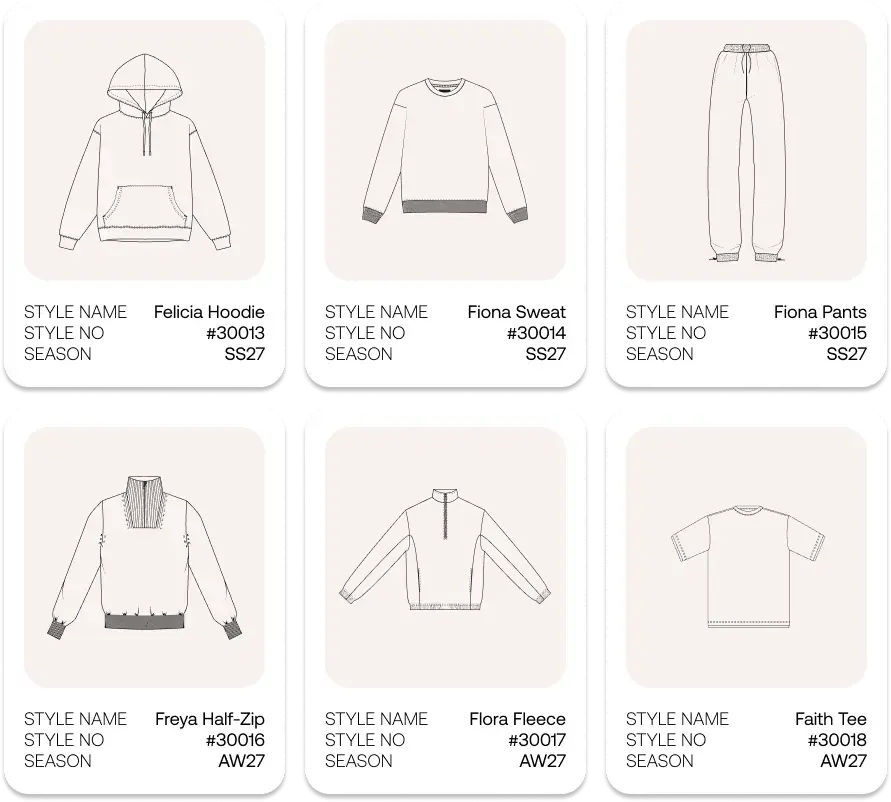
What PLM fashion changes in your day as a designer
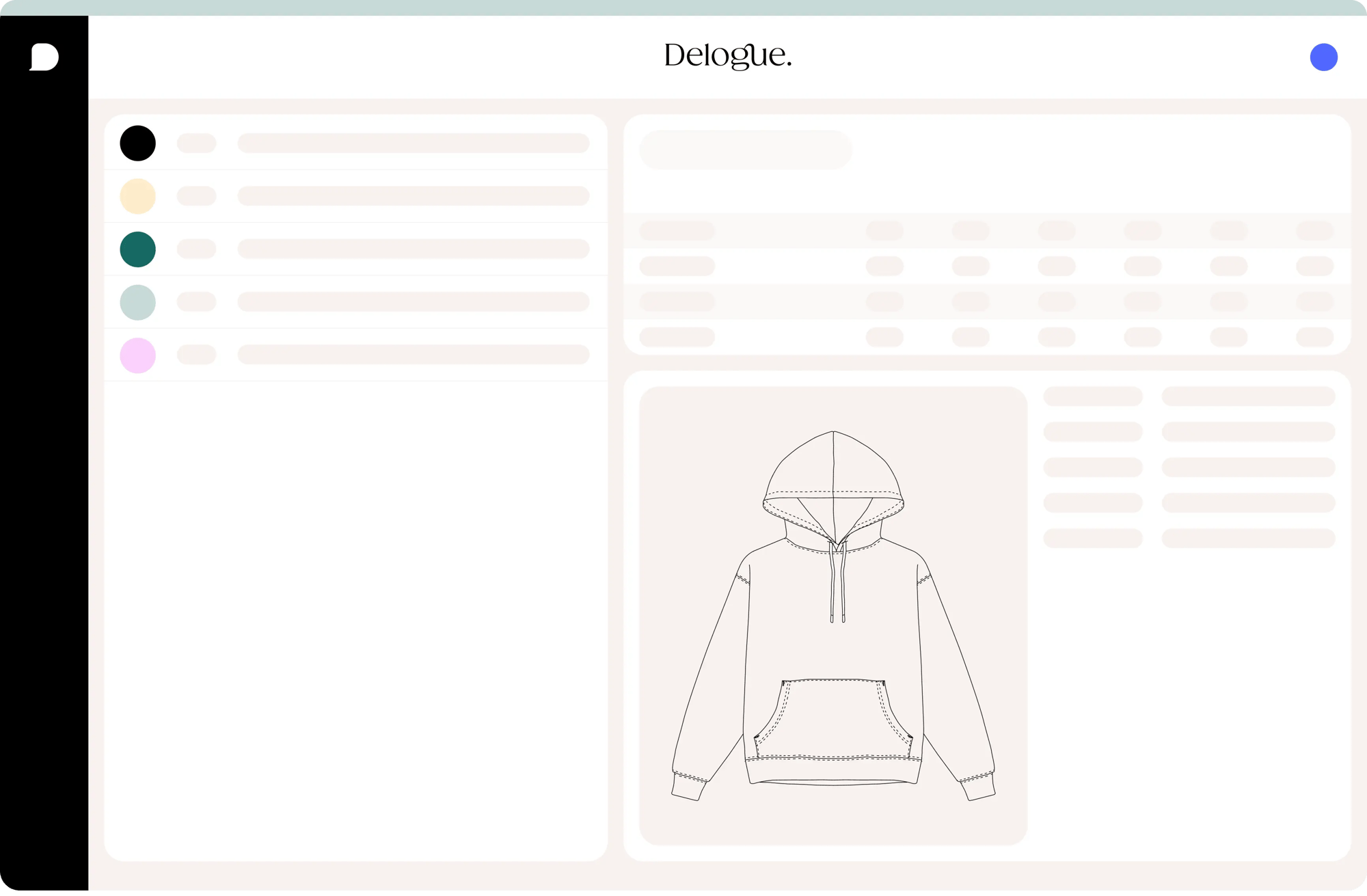
Delogue PLM for fashion changes how design work feels day to day. Instead of managing information across tools, designers work from one live style view where visuals, files, comments, and decisions stay connected.
Design work becomes clearer, calmer, and easier to share with the rest of the team and the suppliers. With Delogue, designers stay focused on design through simple style creation, connected design files and visualised collections.
Simple and easy style creation
Connect your design files
Visualise the entire collection
PLM-Integrationen, die in euren bestehenden Stack passen
Ein moderner Fashion-Tech-Stack besteht aus mehreren Systemen, und ein PLM muss sich sauber in diese Umgebung einfügen. Delogue ist von Grund auf auf PLM-Integrationen ausgelegt und darauf ausgerichtet, einen verlässlichen Datenfluss zu unterstützen statt fragiler Einzelverbindungen.
Die Plattform folgt einem API-First-Ansatz mit standardisierten Datenstrukturen. Das macht Integrationen leichter wartbar und skalierbar. Zusammen erlauben diese PLM-Integrationen dem PLM, als sauberer Daten-Hub in der Fashion-Ökosystemlandschaft zu funktionieren.
ERP + Fashion PLM: Datenfluss
PLM-PIM-Integration
PLM-CAD-Integration
Was Fashion PLM aus Sicht der IT verändert
Für IT-Teams bedeutet Delogue PLM für Mode weniger Insellösungen und klarere Verantwortung für Produktdaten. Delogue ist ein dediziertes Kernsystem für die Produktentwicklung und reduziert Komplexität, statt sie zu erhöhen.
- Belastbare Fashion-PLM-Grundlage
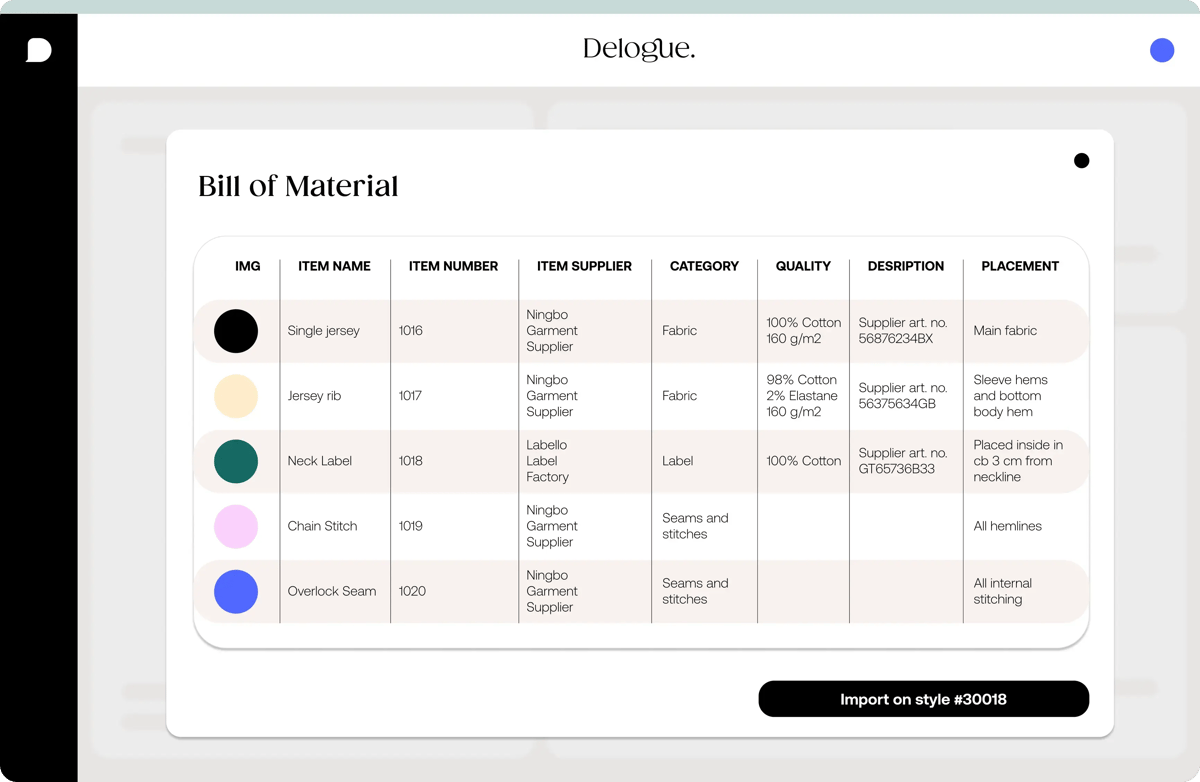
Delogue bietet eine stabile Fashion-PLM-Plattform mit einem klaren Datenmodell, das speziell für die Produktentwicklung in der Mode gebaut ist. Produktdaten sind strukturiert, versioniert und nachvollziehbar. Das macht sie leichter integrierbar und steuerbar.
-
Konfigurierbar, nicht eigenprogrammiert
Die Plattform lässt sich an die Geschäftsprozesse anpassen, ohne aufwendige Eigenentwicklung. Das senkt das Upgrade-Risiko und den langfristigen Wartungsaufwand.
-
Klare Rollen und Zugriffssteuerung
Rollen- und rechtebasierter Zugriff sorgt dafür, dass die richtigen Nutzer die richtigen Daten sehen. Externe Lieferanten können mitarbeiten, ohne dass interne Systeme geöffnet werden.
In der Praxis heißt Delogue PLM für Mode: die IT muss weniger Brände löschen und hat mehr Überblick.
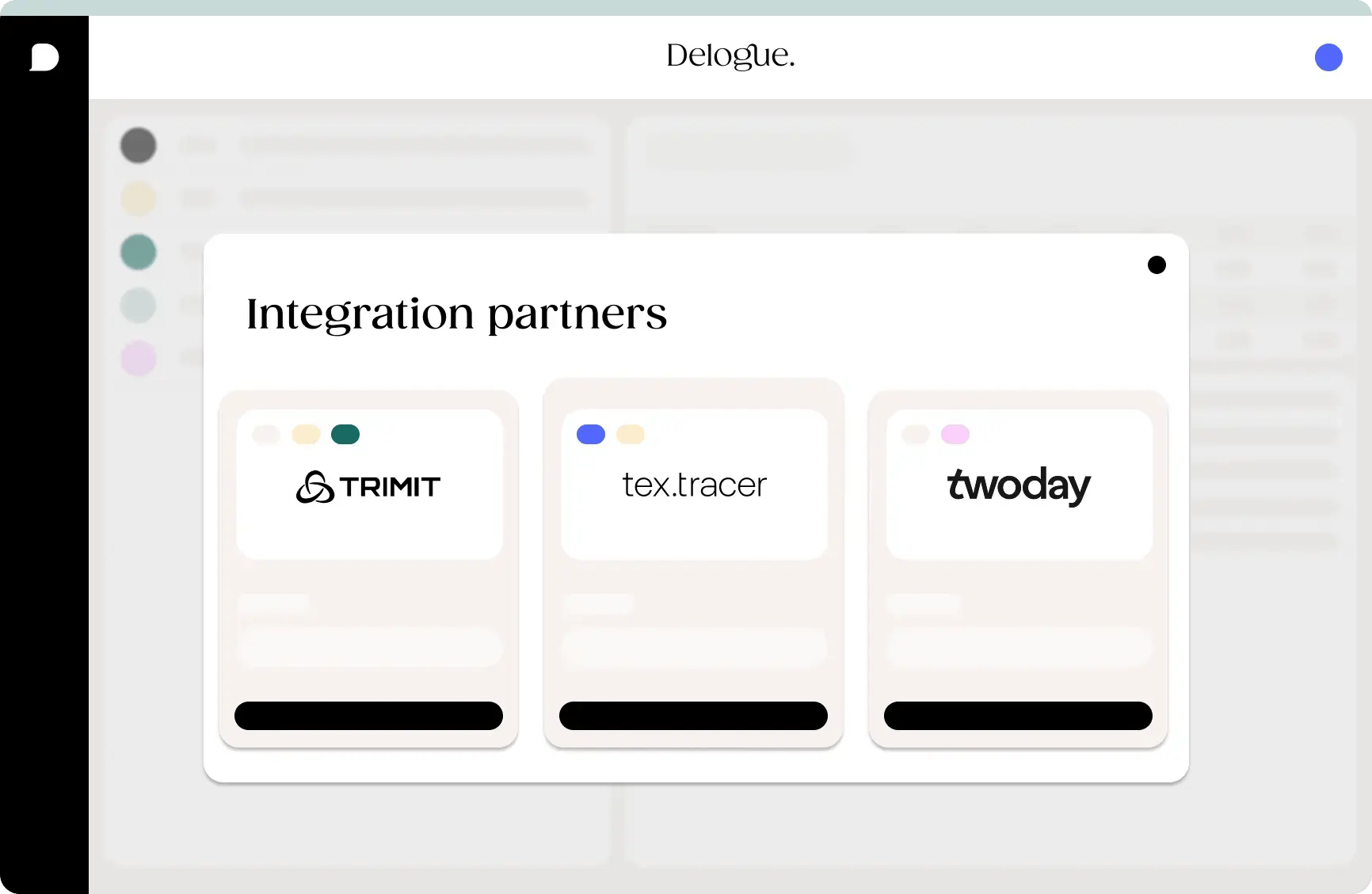
Vernetzt über Partner
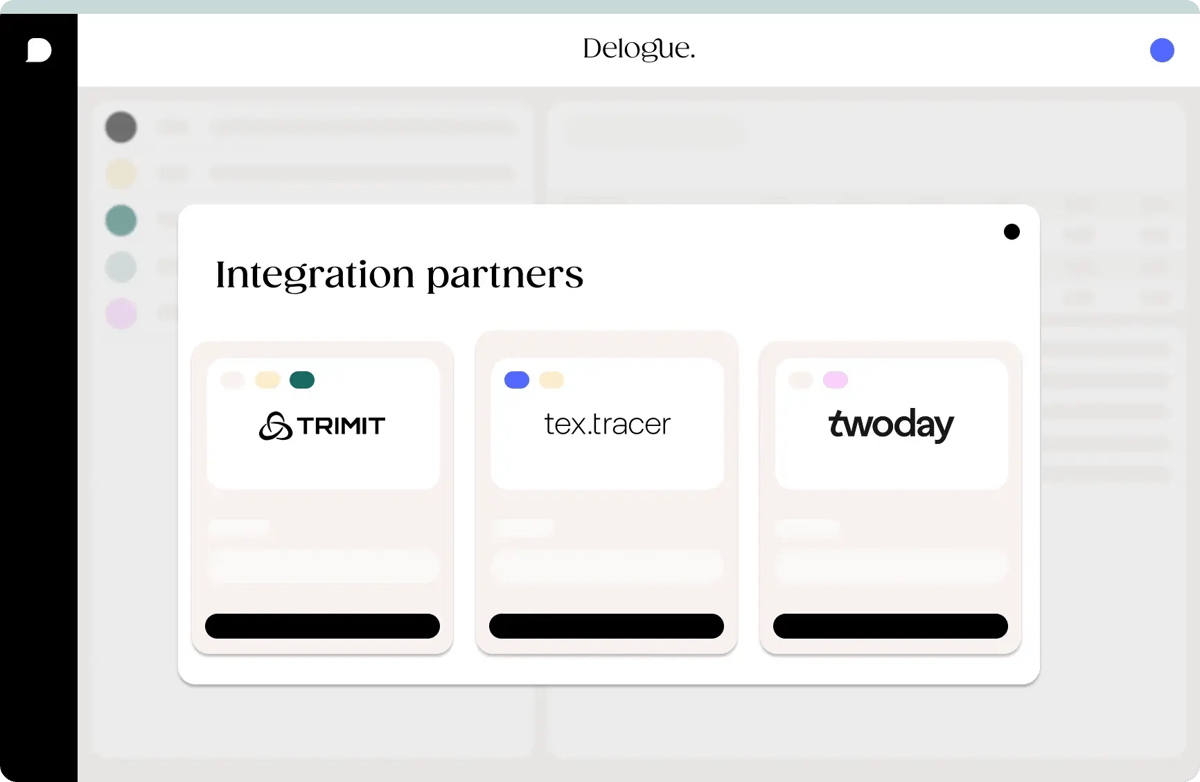
Delogue arbeitet mit führenden Fashion-IT-Lösungen zusammen, um ein offenes, anpassbares Ökosystem zu schaffen, das zu euren Workflows passt und mitwächst, wenn sich eure Anforderungen weiterentwickeln.
01 — 03
“Delogue gives us a good place for our product development teams to work closely with vendors and suppliers. And with the integrations we’ve built to our other systems, collaboration has become much more seamless.”
Astrid Uttenreitter, Teamlead PMO at Hummel
“Managing production sheets and other essential documents manually was incredibly challenging. It was clear that to support our growing team and streamline our processes, we needed a PLM solution.”
Tanja Di Toro Mamarella, Head of Product at Pegador
“We specifically chose Delogue because it is tailored for the fashion industry, offering the crucial supplier access, and is proven in the industry, ensuring reliable support.”
Maria Brorsson, Buying Director at House of Saki
The design data you need, without the hunting
Designers need context, not spreadsheets. With Delogue PLM for fashion, relevant information is available directly on the style, presented in a way that supports creative work rather than turning designers into controllers.
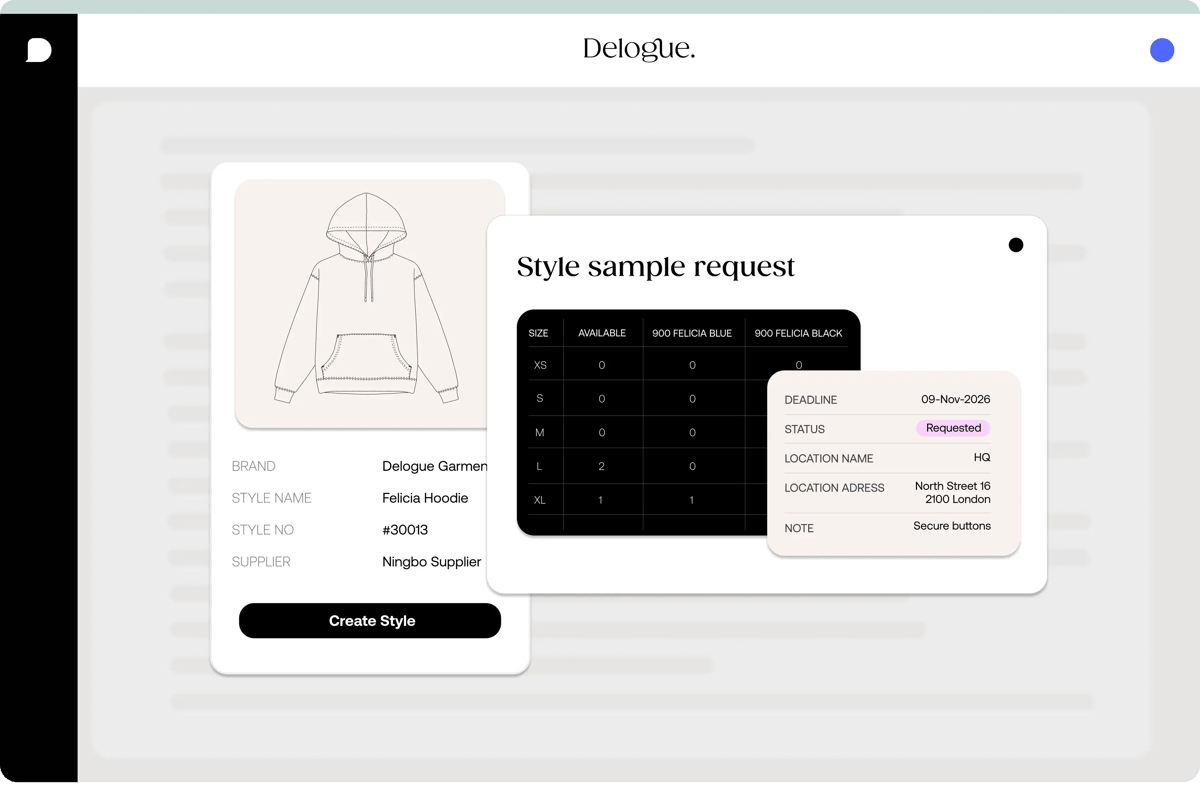
Design teams can see which materials and components are being used, understand the current status of styles and samples, and follow feedback from product development, sourcing and suppliers in one place.
The data is structured and connected so designers no longer need to chase answers. They see what matters, when it matters, and can design with greater clarity and confidence.
Better workflows, stronger margin and timelines
Design decisions always have a business impact, whether designers are asked to consider it or not. Choices around materials, construction, and design details influence timelines, sample rounds, and downstream adjustments.
When workflows are unclear, even small design changes can ripple through product development and turn into expensive late-stage fixes. Delogue PLM for fashion helps connect creative work to real operational and commercial outcomes through:
- earlier alignment reduces late-stage changes and last-minute corrections
- clear specifications improve sample accuracy and reduce resampling
- better collaboration shortens development cycles and reduces rework
Designers don’t need to manage margins directly, but stronger design workflows help protect them naturally as part of a more controlled development process.
Footwear
Footwear development is component-led and detail-heavy. The product is built from many parts, and progress depends on precision across versions and supplier updates.
A fashion PLM system matters in footwear because it keeps the product record stable as the style evolves, so teams can trust what’s approved and what’s current. It also supports cleaner collaboration with specialised suppliers, where clarity and log control are essential to avoid delays.
Accessories & Lifestyle
Accessories and lifestyle products tend to move fast, with frequent refreshes and broad assortments. Changes can be small on paper but big in cost and lead time.
A modern fashion PLM setup matters here because it keeps product detail controlled as the assortment grows, so teams don’t lose time to misalignment across versions. It also supports consistency across a wide range of products without forcing teams into rigid ways of working.
In accessories, the risk is rarely a single big mistake. It’s a steady build-up of small errors that create delays and rework. Delogue helps prevent that drift.
Kidswear
Kidswear demands extra care. Fit, comfort, and safety expectations raise the bar on detail, and products often require closer attention to materials, labelling, and documentation. At the same time, the category still runs on seasonal speed, and collections evolve quickly.
A fashion PLM approach is important here because it keeps the product record clear as styles move through development. It supports consistency when teams are managing many styles and variations under time pressure.
Kidswear is a category where “nearly right” is not good enough, and where last-minute fixes are especially costly. A modern fashion PLM software foundation helps teams stay accurate.
Fashion PLM, gebaut für Governance, Stabilität und Skalierung
Wenn das Unternehmen wächst, bietet Delogue PLM für Mode eine skalierbare Grundlage, ohne dass die IT ständig nacharbeiten muss.
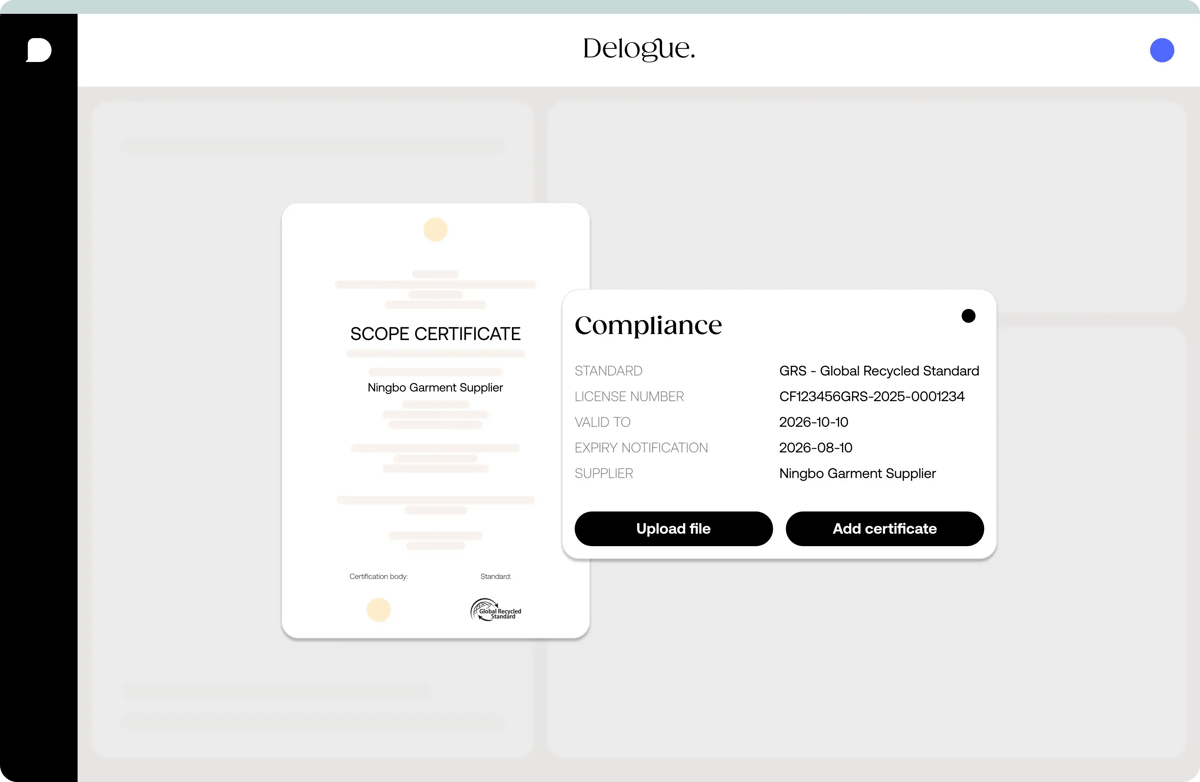
Die IT bekommt Einblick in Produktdatenflüsse, Zugriffe und Integrationen, ohne selbst Styles, Materialien oder Dokumente verwalten zu müssen. Das schafft klare Grenzen zwischen fachlicher Verantwortung und IT-Governance und unterstützt dabei Audits und Compliance.
Werden zersplitterte Tools durch eine einzige Fashion-PLM-Plattform ersetzt, sinken Risiko und technische Schulden, und die Skalierung über Regionen, Marken oder Märkte wird einfacher.
Wie es sich anfühlt, eine Fashion-PLM-Plattform zu betreuen statt zehn Insellösungen
Aus IT-Sicht fühlt sich die Betreuung von Delogue geradliniger und planbarer an.
IT-Teams verbringen weniger Zeit damit, unoffizielle Systeme zu stützen, und mehr Zeit damit, mit dem Business an klar definierten Anforderungen zu arbeiten. Gespräche mit Kollegen werden strukturierter, weil alle von derselben Plattform und derselben Datengrundlage aus arbeiten.
Das schafft Raum für die IT, sich auf Architektur, Sicherheit und langfristige Verbesserungen zu konzentrieren. Mit PLM für Mode in Delogue geht die IT vom reaktiven Support dazu über, die Organisation aktiv voranzubringen.
.
Bereit zu sehen, wie PLM für Mode in eurer bestehenden Systemlandschaft funktioniert?
Sieh, wie unser PLM für Mode in deiner IT-Landschaft aussieht
Delogue ist integrationsbereit und darauf gebaut, in moderne IT-Umgebungen zu passen, mit Sicherheit und Skalierbarkeit. Entdecke, wie Delogue saubere PLM-Integrationen, starke Governance und eine stabile Grundlage für die Produktentwicklung unterstützt.