PLM für Designteams
Fashion PLM: besserer Workflow für Designteams
Designer arbeiten in Skizzen und Visuals, und die Arbeit verändert sich schnell, während Ideen sich weiterentwickeln.
Was sie ausbremst, ist nicht die Kreativität, sondern fehlender Kontext, wenn Informationen über viele Tools verteilt sind. Designentscheidungen haben außerdem echte Folgen: Sie prägen Kosten, Marge und Timing, lange bevor ein Style final ist.
Delogue PLM für Mode hält Designarbeit mit dem gesamten Produktentwicklungsablauf verbunden, sodass sich Teams laufend abstimmen können, während Styles voranschreiten.
-
Designarbeit lässt sich nicht nebenbei in E-Mails und Spreadsheets erledigen
Von Designern wird Schnelligkeit erwartet, und Kreativität zugleich. Sind Style-Informationen aber über Dateien und Messaging-Tools verteilt, zerfällt der Arbeitsalltag schnell in Einzelteile.
Verstreute Dateien und Feedback gehen leicht unter. Statt kreativ zu arbeiten, verbringen Designer Zeit damit, Informationen zu suchen und dieselben Fragen zu beantworten.
In einem solchen Setup verlieren Kommentare und Freigaben den Bezug zum Produkt selbst, und kleine Missverständnisse wachsen zu späten Änderungen heran.
Ohne ein PLM für Mode wird Designarbeit immer schwerer zu steuern, zu pflegen und über Kollektionen und Teams hinweg zu skalieren.
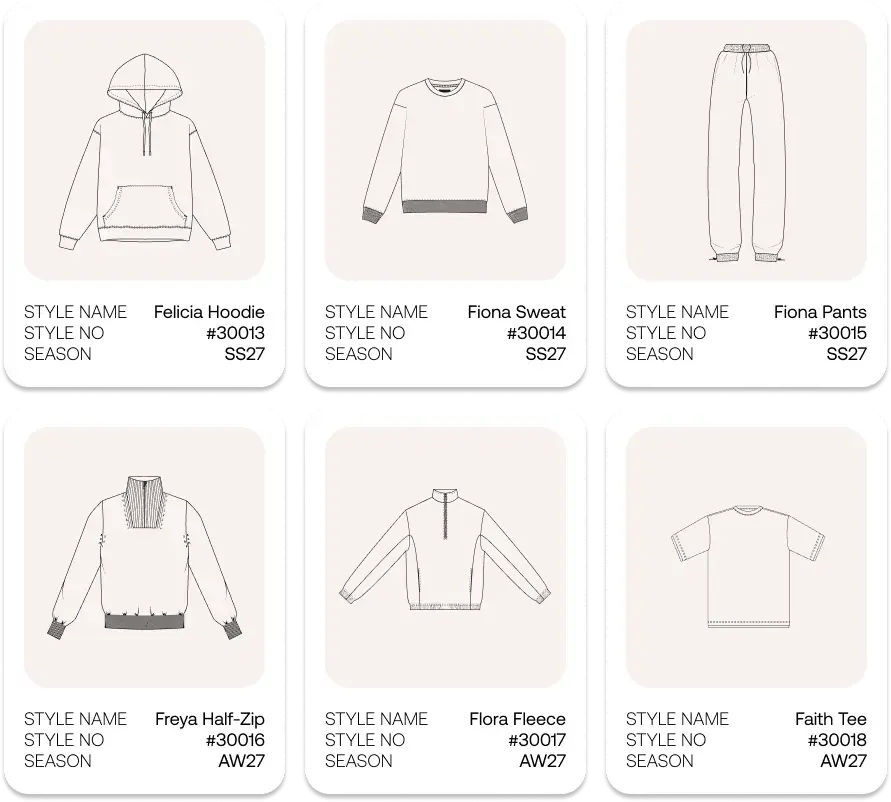
What PLM fashion changes in your day as a designer
Delogue PLM for fashion changes how design work feels day to day. Instead of managing information across tools, designers work from one live style view where visuals, files, comments, and decisions stay connected.
Design work becomes clearer, calmer, and easier to share with the rest of the team and the suppliers. With Delogue, designers stay focused on design through simple style creation, connected design files and visualised collections.
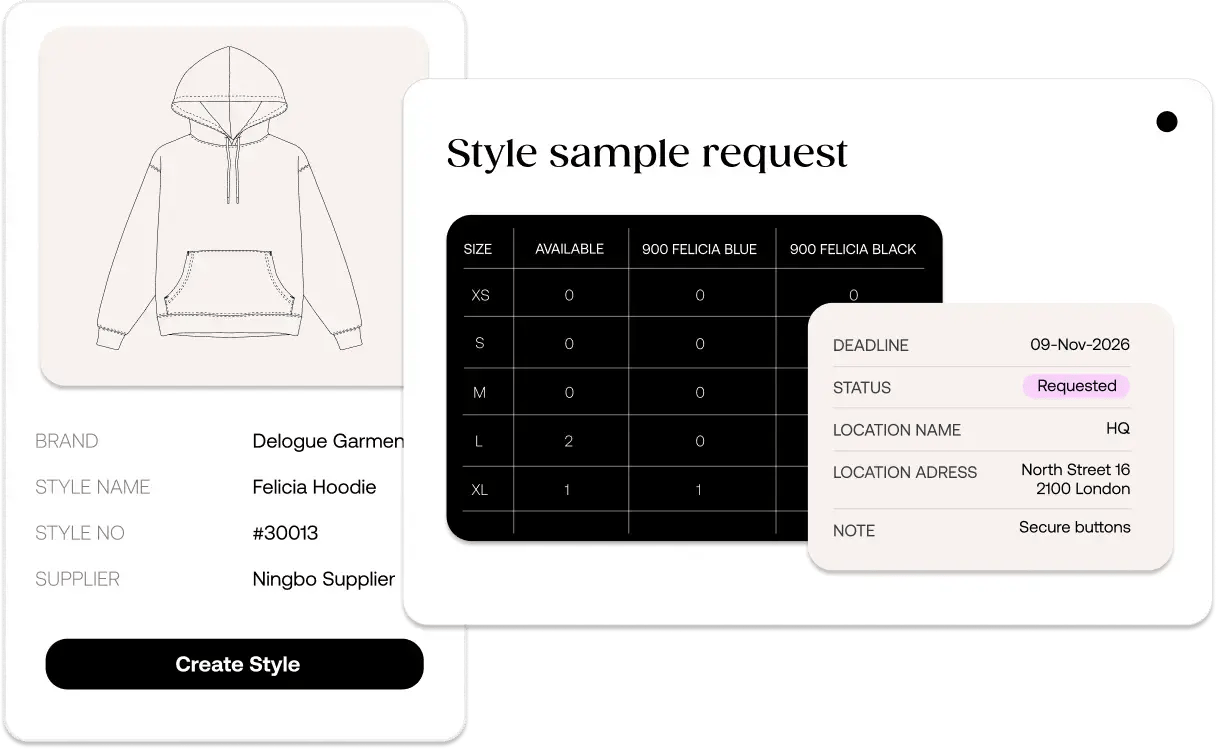
Simple and easy style creation
Connect your design files
Visualise the entire collection
Was Fashion PLM im Arbeitsalltag von Designern verändert
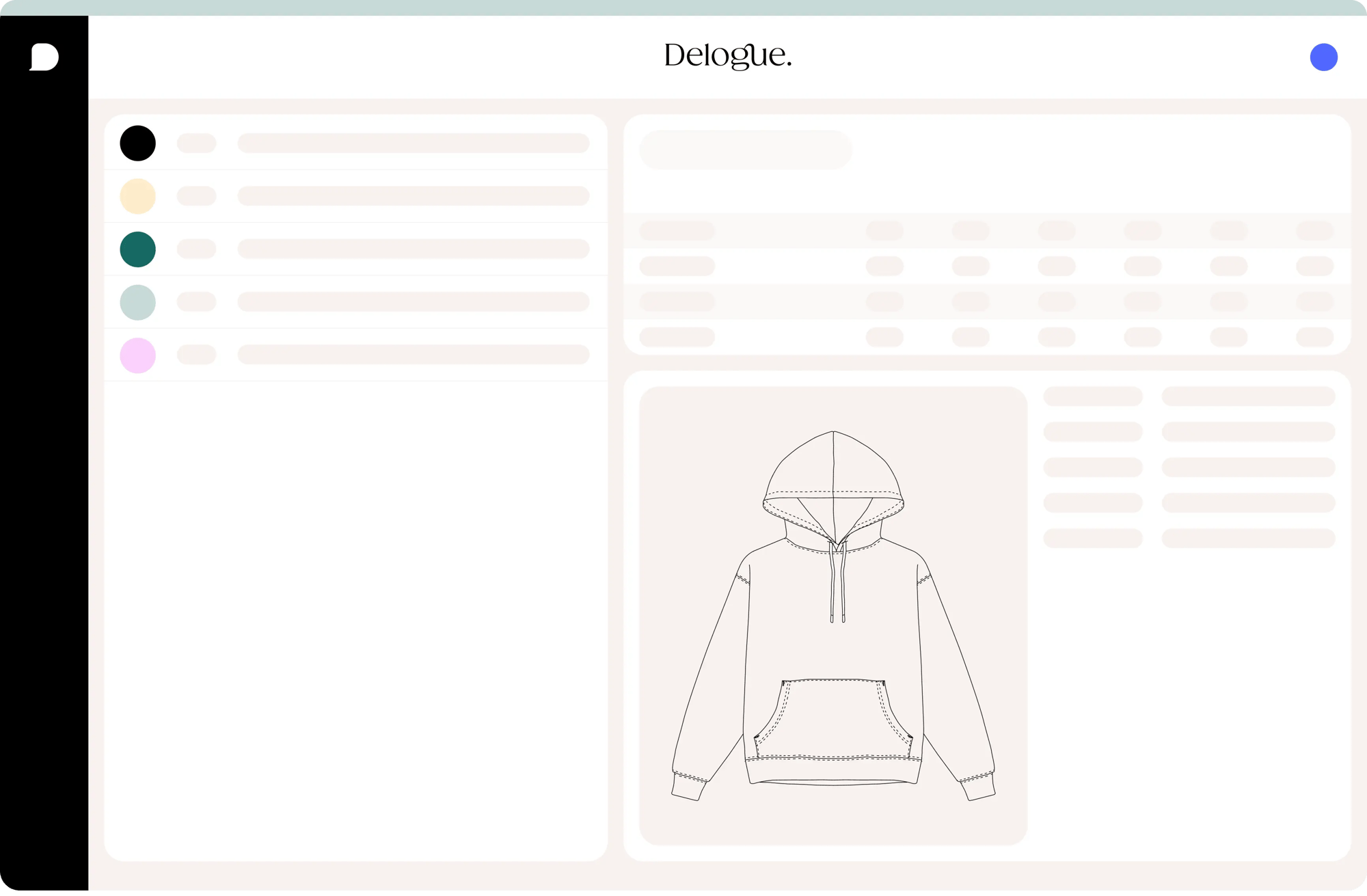
Delogue PLM für Mode verändert, wie sich Designarbeit im Alltag anfühlt. Statt Informationen über mehrere Tools hinweg zu verwalten, arbeiten Designer in einer live aktualisierten Style-Ansicht, in der Visuals, Dateien, Kommentare und Entscheidungen verbunden bleiben.
Designarbeit wird klarer, ruhiger und lässt sich leichter mit dem restlichen Team und den Lieferanten teilen. Mit Delogue bleiben Designer beim Design: durch einfaches Anlegen von Styles, verknüpfte Designdateien und visualisierte Kollektionen.
Styles einfach anlegen
Designdateien verknüpfen
Kollektionen visualisieren
Gemeinsames Fashion PLM: von der ersten Skizze bis zur fertigen Spezifikation
Gutes Design entsteht nicht im Alleingang. Jeder Style wandert von der Entwicklung in die Umsetzung beim Lieferanten, und jeder Schritt baut auf dem vorherigen auf.
Ein PLM für Mode verbindet diese Phasen in einem gemeinsamen Ablauf, sodass die Designabsicht präzise erhalten bleibt. Designer arbeiten im selben System wie Produktentwicklung, Einkauf und Lieferanten, alle auf dieselben Produktdaten abgestimmt.
Während sich Styles weiterentwickeln, entstehen und verfeinern sich Spezifikationen im Kontext, sodass technische Details bereitstehen, wenn Lieferanten sie brauchen. Das ermöglicht eine frühere Abstimmung zur Machbarkeit und macht Designänderungen klar sichtbar.
Design, Produktentwicklung und 3D-Modedesign abgestimmt halten
Je größer der Anteil von 3D-Modedesign in der Produktentwicklung wird, desto wichtiger wird eine enge Abstimmung über Teams und Tools hinweg.
Laufen 3D-Systeme getrennt von den Produktdaten, driften Designs mit jeder Änderung weiter von der technischen Realität ab.
Delogue unterstützt einen Workflow, in dem ein PLM für Mode Design, Produktentwicklung und 3D-Modedesign in einer gemeinsamen Struktur verbindet. Designdateien, Spezifikationen und Updates bleiben direkt mit dem Style verknüpft, unabhängig davon, ob sie aus 2D- oder 3D-Tools stammen.
Echte Geschichten. Echte Ergebnisse.
Seht, wie Marken wie eure mit Delogue die Produktentwicklung vereinfachen und teamübergreifend besser zusammenarbeiten
Fashion & Apparel
WHEAT x Delogue: The hidden cost of bad product data
Discover how WHEAT transformed its product data management to improve efficiency and decision-making, reducing hidden costs and enhancing creativity in fashion design.
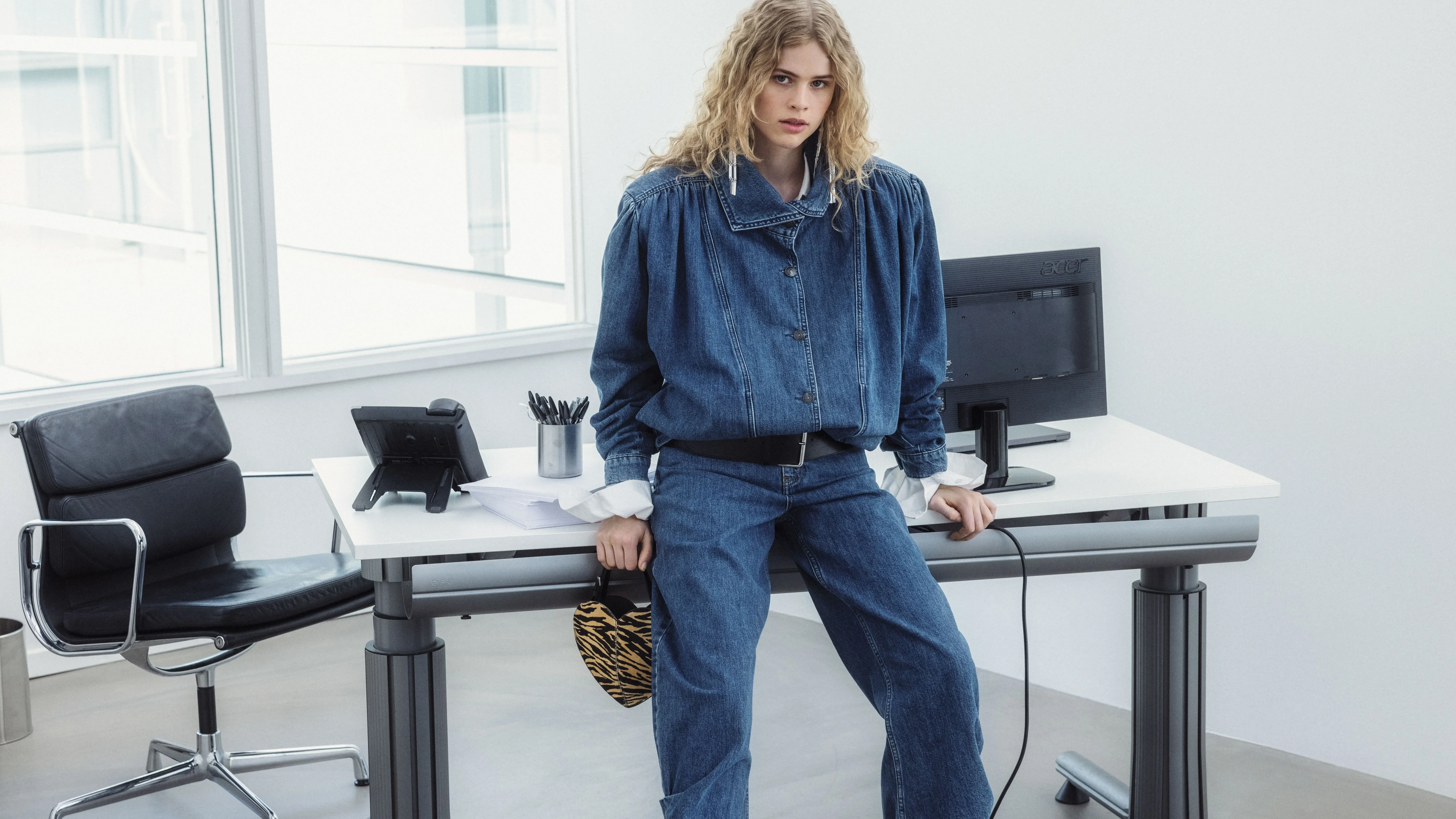
Fashion & Apparel
How ROTATE Creates Operational Clarity with Delogue
Discover how ROTATE Birger Christensen achieves operational clarity through Delogue, enhancing collaboration and streamlining product development in the fashion industry.
Kidswear
Growing together: Seven years collaboration with Erve Europe
Delogue and Erve Europe reflect on seven years of collaboration, focusing on continuous improvement, ESG readiness, and the evolution of product development.
Outdoor & Performance
How Dogman Is Preparing for a structured Future with Delogue
Dogman leverages Delogue to unify workflows, enhance collaboration, and prepare for future demands, ensuring they stay relevant and efficient in the evolving pet products market.
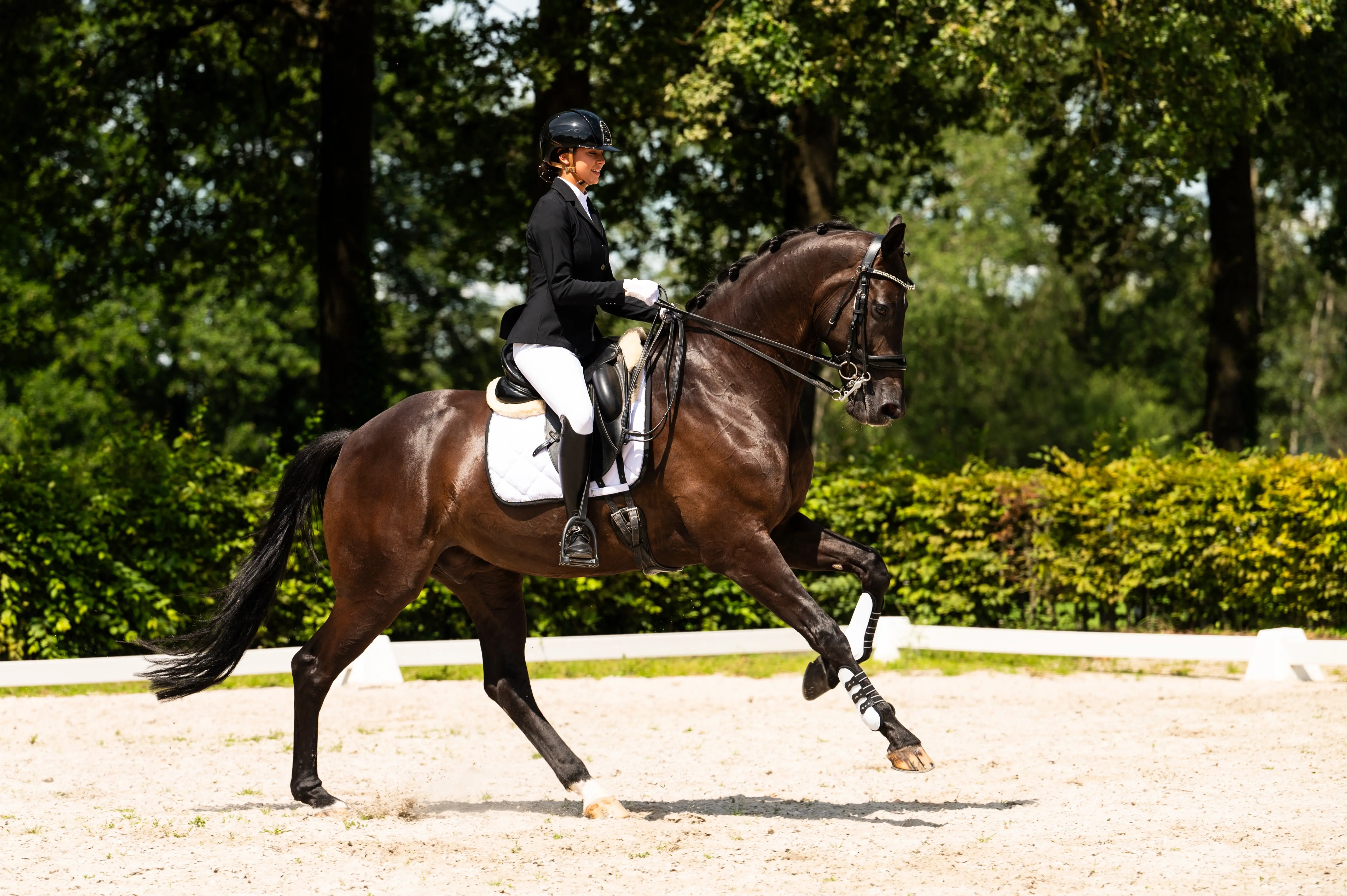
Outdoor & Performance
How Brands of Q brings clarity to product development
How Brands of Q excels in product development with Delogue PLM by combining passion and process, ensuring clarity, collaboration, and sustainability in their equestrian gear and apparel.

Fashion & Apparel
How Coze Aarhus Uses Delogue to Strengthen Responsibility
Coze Aarhus enhances its sustainability efforts by upgrading to Delogue Professional, streamlining data management, and fostering accountability across teams and suppliers for responsible fashion.
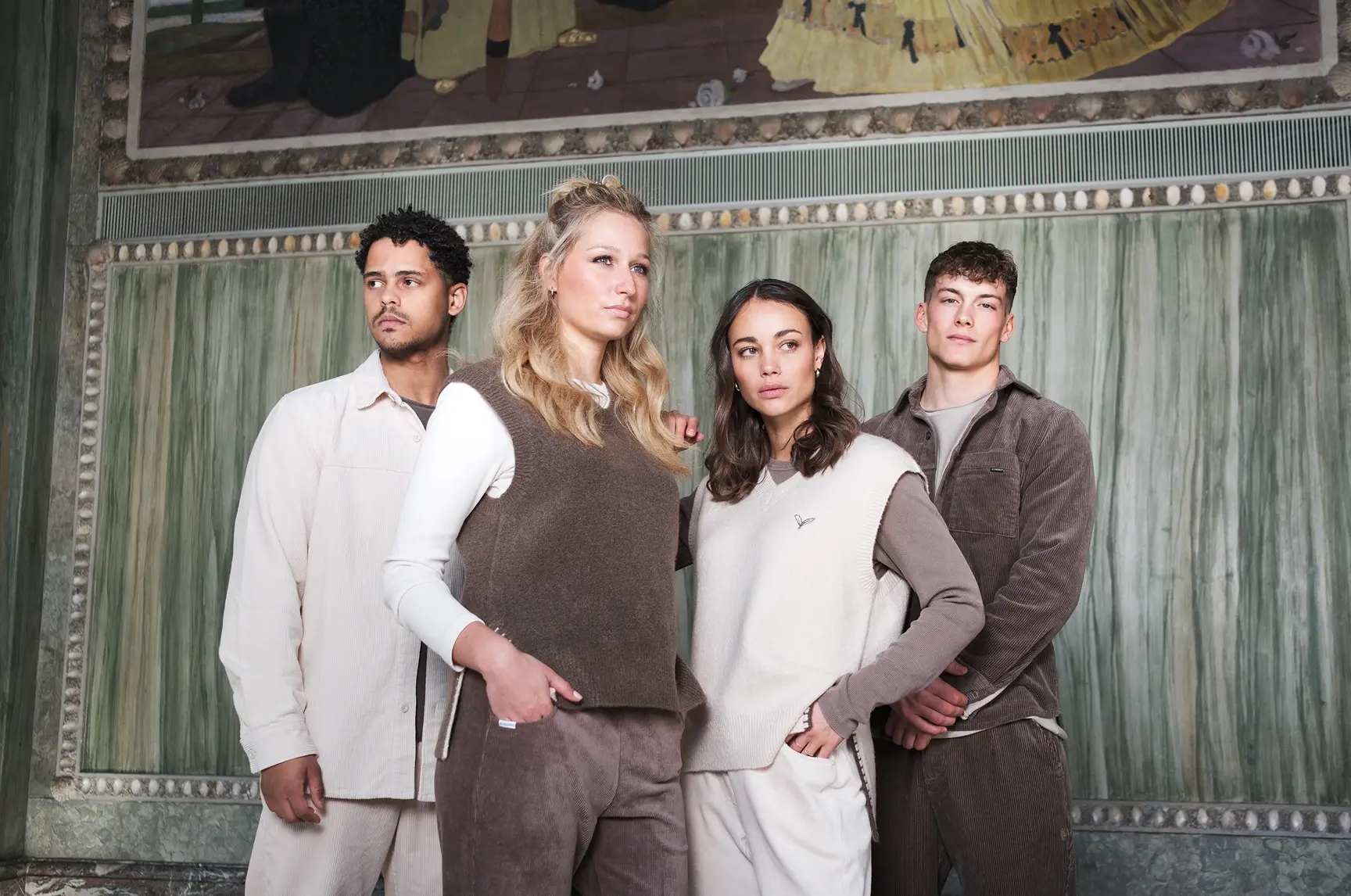
Fashion & Apparel
How Kleinigkeit is Simplifying Product Development with Delogue
Discover how Kleinigkeit transformed its product development process with Delogue PLM, enhancing collaboration, speed, and clarity across teams and suppliers.
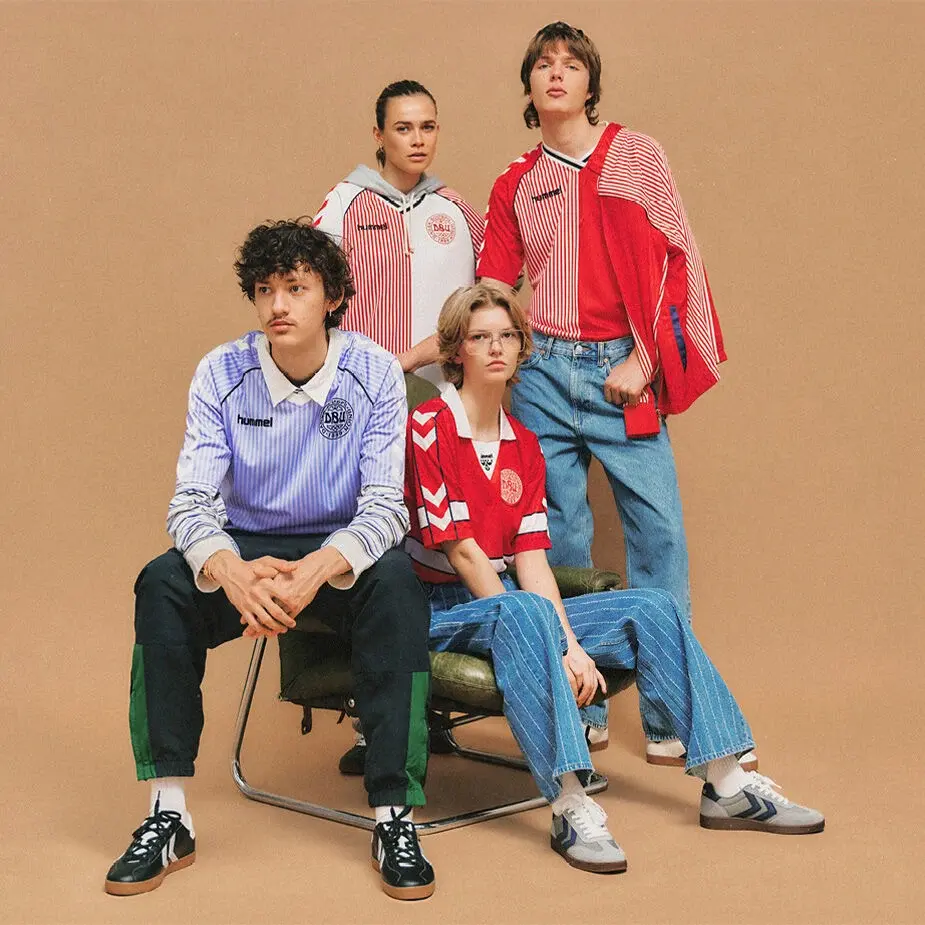
Outdoor & Performance
Hummel’s Path to Smarter, Responsible Workflows with Delogue PLM
Hummel leverages digital tools and integrations to foster smarter, responsible workflows, ensuring transparency, collaboration, and innovation in their century-long mission to change the world through sport.
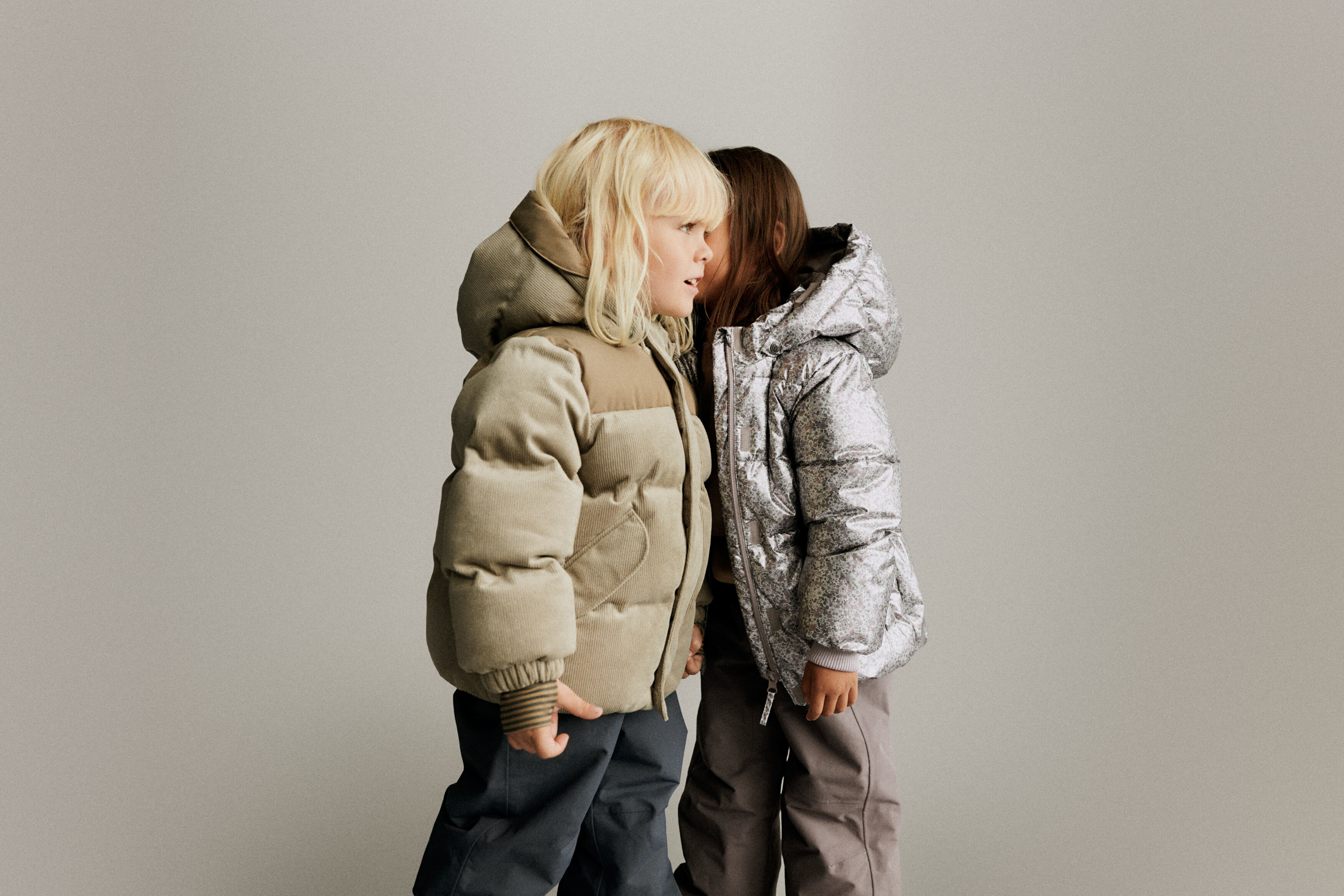
Kidswear
From islands to one boat: How Wheat built stronger collaboration with PLM
Wheat enhances communication and collaboration across departments and suppliers with Delogue PLM, creating a unified, transparent workflow for better, responsible production.

Fashion & Apparel
Pegador's Journey to Streamlined Operations with Delogue PLM
Pegador's implementation of Delogue PLM transformed their product development, enhancing efficiency, communication, and creativity in the fast-paced streetwear industry.
Fashion & Apparel
WHEAT x Delogue: The hidden cost of bad product data
Discover how WHEAT transformed its product data management to improve efficiency and decision-making, reducing hidden costs and enhancing creativity in fashion design.
Fashion & Apparel
How ROTATE Creates Operational Clarity with Delogue
Discover how ROTATE Birger Christensen achieves operational clarity through Delogue, enhancing collaboration and streamlining product development in the fashion industry.
Kidswear
Growing together: Seven years collaboration with Erve Europe
Delogue and Erve Europe reflect on seven years of collaboration, focusing on continuous improvement, ESG readiness, and the evolution of product development.
Outdoor & Performance
How Dogman Is Preparing for a structured Future with Delogue
Dogman leverages Delogue to unify workflows, enhance collaboration, and prepare for future demands, ensuring they stay relevant and efficient in the evolving pet products market.
Outdoor & Performance
How Brands of Q brings clarity to product development
How Brands of Q excels in product development with Delogue PLM by combining passion and process, ensuring clarity, collaboration, and sustainability in their equestrian gear and apparel.
Fashion & Apparel
How Coze Aarhus Uses Delogue to Strengthen Responsibility
Coze Aarhus enhances its sustainability efforts by upgrading to Delogue Professional, streamlining data management, and fostering accountability across teams and suppliers for responsible fashion.
Fashion & Apparel
How Kleinigkeit is Simplifying Product Development with Delogue
Discover how Kleinigkeit transformed its product development process with Delogue PLM, enhancing collaboration, speed, and clarity across teams and suppliers.
Outdoor & Performance
Hummel’s Path to Smarter, Responsible Workflows with Delogue PLM
Hummel leverages digital tools and integrations to foster smarter, responsible workflows, ensuring transparency, collaboration, and innovation in their century-long mission to change the world through sport.
Kidswear
From islands to one boat: How Wheat built stronger collaboration with PLM
Wheat enhances communication and collaboration across departments and suppliers with Delogue PLM, creating a unified, transparent workflow for better, responsible production.

Fashion & Apparel
Pegador's Journey to Streamlined Operations with Delogue PLM
Pegador's implementation of Delogue PLM transformed their product development, enhancing efficiency, communication, and creativity in the fast-paced streetwear industry.
01 — 03
“Delogue gives us a good place for our product development teams to work closely with vendors and suppliers. And with the integrations we’ve built to our other systems, collaboration has become much more seamless.”
Astrid Uttenreitter, Teamlead PMO at Hummel
“Managing production sheets and other essential documents manually was incredibly challenging. It was clear that to support our growing team and streamline our processes, we needed a PLM solution.”
Tanja Di Toro Mamarella, Head of Product at Pegador
“We specifically chose Delogue because it is tailored for the fashion industry, offering the crucial supplier access, and is proven in the industry, ensuring reliable support.”
Maria Brorsson, Buying Director at House of Saki
Die Designdaten, die ihr braucht, ohne lange Suche
Designer brauchen Kontext, keine Spreadsheets. Mit Delogue PLM für Mode stehen die relevanten Informationen direkt am Style, und zwar so aufbereitet, dass sie kreative Arbeit unterstützen, statt Designer zu Controllern zu machen.
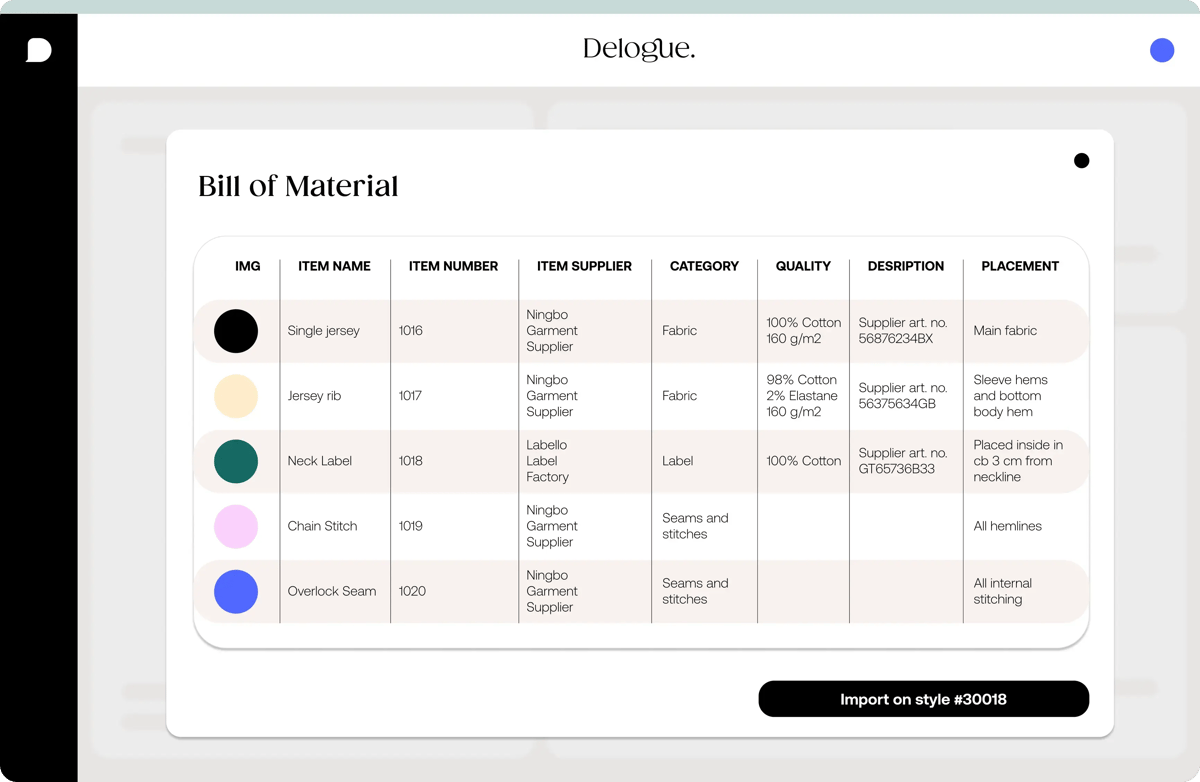
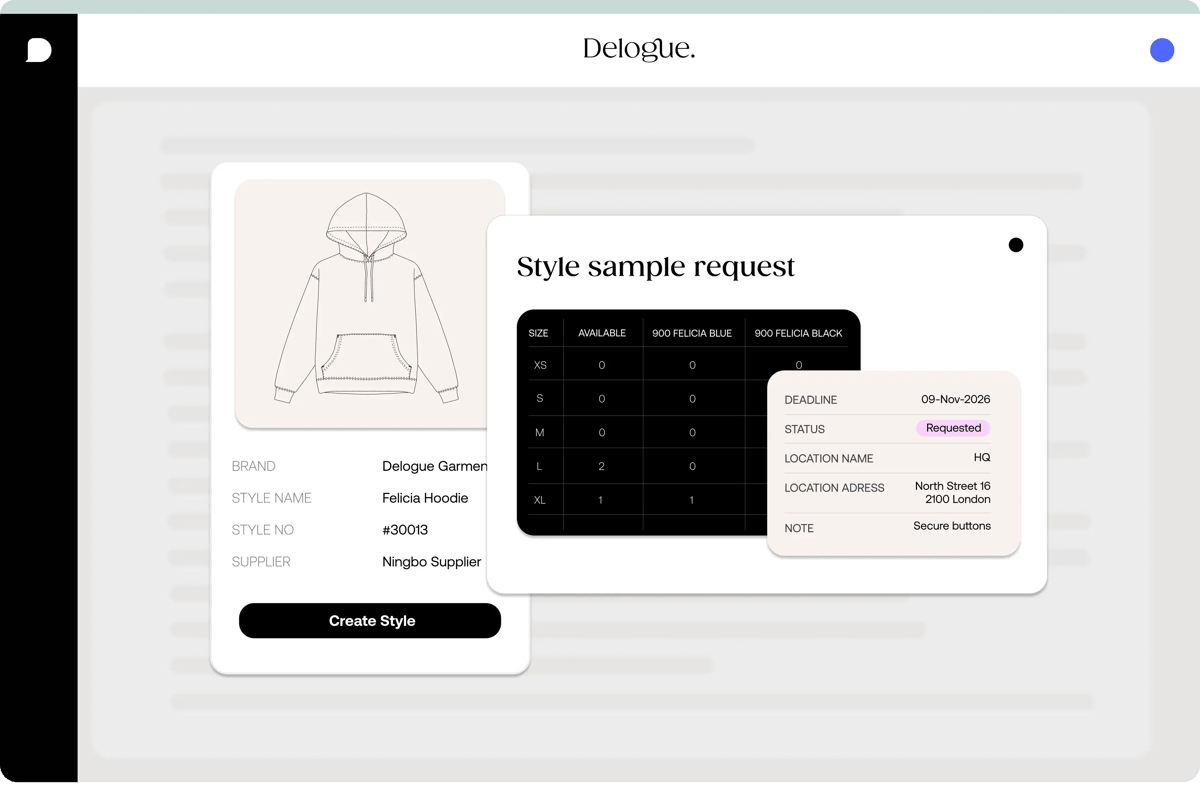
Designteams sehen, welche Materialien und Komponenten verwendet werden, verstehen den aktuellen Status von Styles und Samples und verfolgen Feedback aus Produktentwicklung, Sourcing und von Lieferanten an einem Ort.
Die Daten sind strukturiert und verbunden, sodass Designer Antworten nicht mehr hinterherlaufen müssen. Sie sehen das Wichtige zum richtigen Zeitpunkt und können mit mehr Klarheit und Sicherheit gestalten.
Bessere Workflows, stärkere Margen und Zeitpläne, die halten
Designer brauchen Kontext, keine Spreadsheets. Mit Delogue PLM für Mode stehen die relevanten Informationen direkt am Style, und zwar so aufbereitet, dass sie kreative Arbeit unterstützen, statt Designer zu Controllern zu machen.
Designteams sehen, welche Materialien und Komponenten verwendet werden, verstehen den aktuellen Status von Styles und Samples und verfolgen Feedback aus Produktentwicklung, Sourcing und von Lieferanten an einem Ort.
- Frühere Abstimmung reduziert späte Änderungen und Last-Minute-Korrekturen
- Klare Spezifikationen verbessern die Sample-Genauigkeit und reduzieren erneute Sample-Runden
- Bessere Zusammenarbeit verkürzt Entwicklungszyklen und reduziert Nacharbeit
Designer müssen Margen nicht direkt steuern. Stärkere Design-Workflows helfen aber wie von selbst, sie zu schützen, als Teil eines besser kontrollierten Entwicklungsprozesses.
Footwear
Footwear development is component-led and detail-heavy. The product is built from many parts, and progress depends on precision across versions and supplier updates.
A fashion PLM system matters in footwear because it keeps the product record stable as the style evolves, so teams can trust what’s approved and what’s current. It also supports cleaner collaboration with specialised suppliers, where clarity and log control are essential to avoid delays.
Accessories & Lifestyle
Accessories and lifestyle products tend to move fast, with frequent refreshes and broad assortments. Changes can be small on paper but big in cost and lead time.
A modern fashion PLM setup matters here because it keeps product detail controlled as the assortment grows, so teams don’t lose time to misalignment across versions. It also supports consistency across a wide range of products without forcing teams into rigid ways of working.
In accessories, the risk is rarely a single big mistake. It’s a steady build-up of small errors that create delays and rework. Delogue helps prevent that drift.
Kidswear
Kidswear demands extra care. Fit, comfort, and safety expectations raise the bar on detail, and products often require closer attention to materials, labelling, and documentation. At the same time, the category still runs on seasonal speed, and collections evolve quickly.
A fashion PLM approach is important here because it keeps the product record clear as styles move through development. It supports consistency when teams are managing many styles and variations under time pressure.
Kidswear is a category where “nearly right” is not good enough, and where last-minute fixes are especially costly. A modern fashion PLM software foundation helps teams stay accurate.
Wie sich Designarbeit mit Delogue anfühlt
Mit Delogue wird Designarbeit spürbar ruhiger: weniger Abstimmungen, weniger Unterbrechungen und mehr Raum für Kreativität. Versionen, Feedback und Entscheidungen sind klar nachvollziehbar, sodass Designer sich auf das konzentrieren können, was wirklich zählt: gute Produkte zu entwickeln.
Mit Delogue PLM bleibt der kreative Prozess kreativ und wird gleichzeitig einfacher im gesamten Unternehmen weitergeführt. Klare Strukturen schaffen mehr Fokus, Eigenverantwortung und Sicherheit und sorgen dafür, dass Ideen ihren Weg vom ersten Entwurf bis zum fertigen Produkt finden.
Bereit zu sehen, wie PLM für Designteams in der Praxis aussieht?
Sieh, wie unser PLM für Mode für dein Designteam aussieht
.Delogue ist für Designer gemacht, die Struktur wollen, ohne Kreativität zu verlieren, und für Teams, die Abstimmung brauchen, ohne langsamer zu werden.
IWenn du sehen willst, wie Delogue PLM für Mode Designteams in der Praxis unterstützt, zeigen wir es dir und deinem Team gerne. Entdecke, wie Styles, Dateien, Feedback und Zusammenarbeit in einem Ablauf zusammenlaufen und wie sich 3D-Modedesign natürlich in den Prozess einfügt.