
.webp)
.webp)
.webp?width=600&height=349&name=menu%20item%20-%20fashion%20(1).webp)


.webp?width=2000&name=menu%20item%20-%20collaboration%20(2).webp)
.webp?width=2000&name=menu%20item%20-%20samples%20(1).webp)
.webp?width=2000&name=menu%20item%20-%20profit%20%26%20margins%20(1).webp)
.webp?width=2000&name=menu%20item%20-%20compliance%20(1).webp)


FashionTech Solutions
6 minute read
Data sits at the center of everything we do in product development. But when it gets stuck, whether in systems, teams, or processes, it slows everything down. Collections take longer, mistakes slip through, and collaboration becomes harder than it needs to be. In this article, we take a closer look at what happens when data starts to flow instead. How connected ways of working can remove friction, bring teams closer together, and create a smoother path from design to market.
When data gets stuck
A data silo… what does that actually mean? It’s a fair question. For some, it might bring to mind those big silos in the countryside storing grain. And while that’s not exactly what we’re talking about here, the idea is not that far off.
If we break it down, a silo is something that operates in isolation. And data is simply information collected and used in our daily work. Put the two together, and you get information that sits in one place, with one person, team, or system, without really being accessible to others. It can be something as simple as updates sitting in someone’s inbox, or a spreadsheet that no one else has access to. The information is there, but it is not moving.
And this can happen in many ways. Within teams, between different roles, or across processes. Most brands have experienced it at some point. The good thing is that once you start to notice it, you can also start to change it.
“
“When data flows freely, everything else follows. Decisions become clearer and the whole process feels a lot more connected.”
Anja Padget, Chief Marketing Officer and ESG Expert at Delogue PLM
When teams stay in sync
As mentioned, data silos can show up in different ways. One of the most common places is actually within teams. And in the fashion industry, this is something we see all the time.
You might be part of a great team. You have strong relationships, you talk throughout the day, and everything feels connected on a human level. But at the same time, everyone is busy focusing on their own tasks. Deadlines are tight, collections are moving, and there is not always time for long handovers or detailed updates every time something changes. And honestly, that is completely normal.
The challenge comes when information does not follow the flow of the work. When updates are shared in bits and pieces, or when you have to wait for someone to get back before you can move forward. That is where small delays and misunderstandings start to build. This is where a more connected way of working makes a real difference. When teams work in the same space, with access to the same data, things start to feel lighter. You can see what your colleagues are working on, follow updates as they happen, and trust that you are looking at the latest version. No chasing information, no second guessing.
Letting data move between systems
Let’s say you have taken that first step. Your team is working closely together, you have access to each other’s data, and things are flowing much better internally. You are no longer waiting for updates or chasing the latest version. Everything feels more in sync.
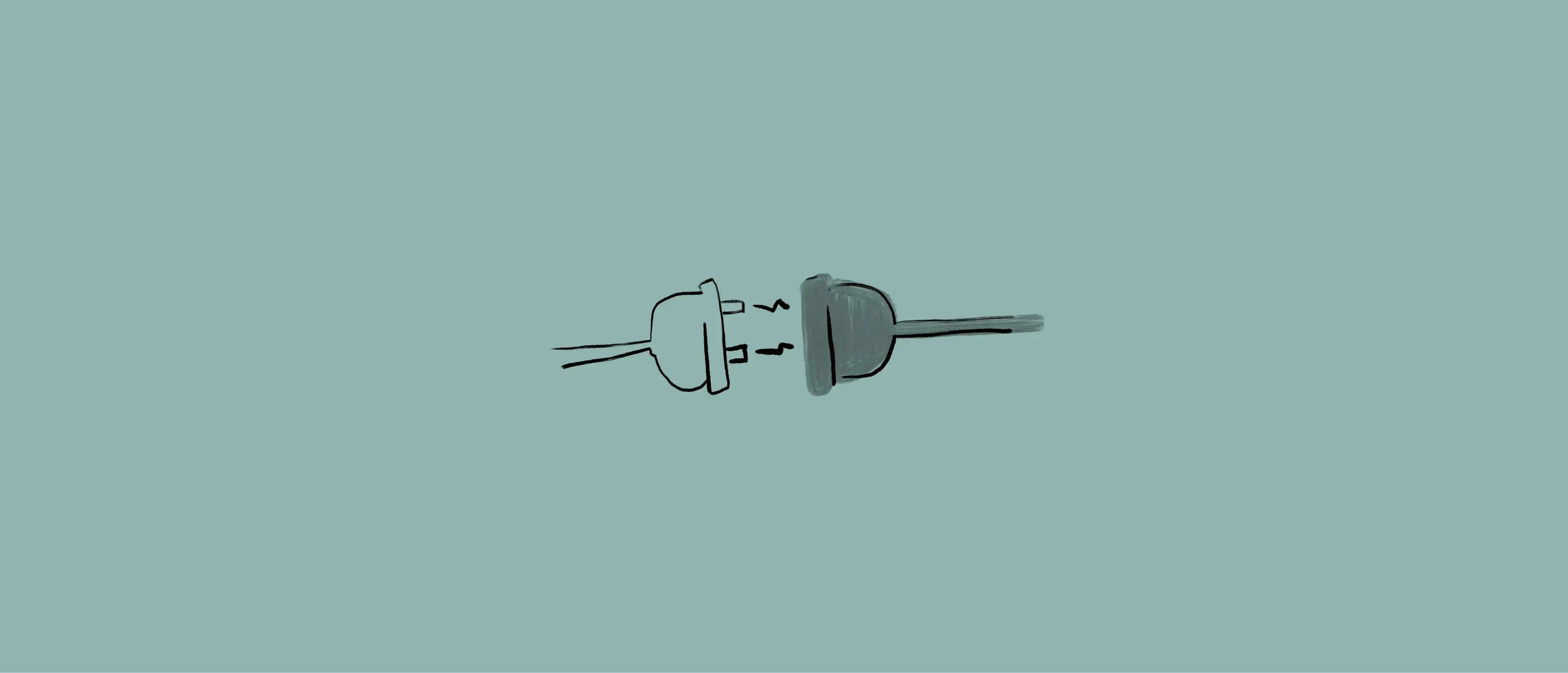
But then you hit the next layer. The data is moving within the team, but it is not moving between your systems.
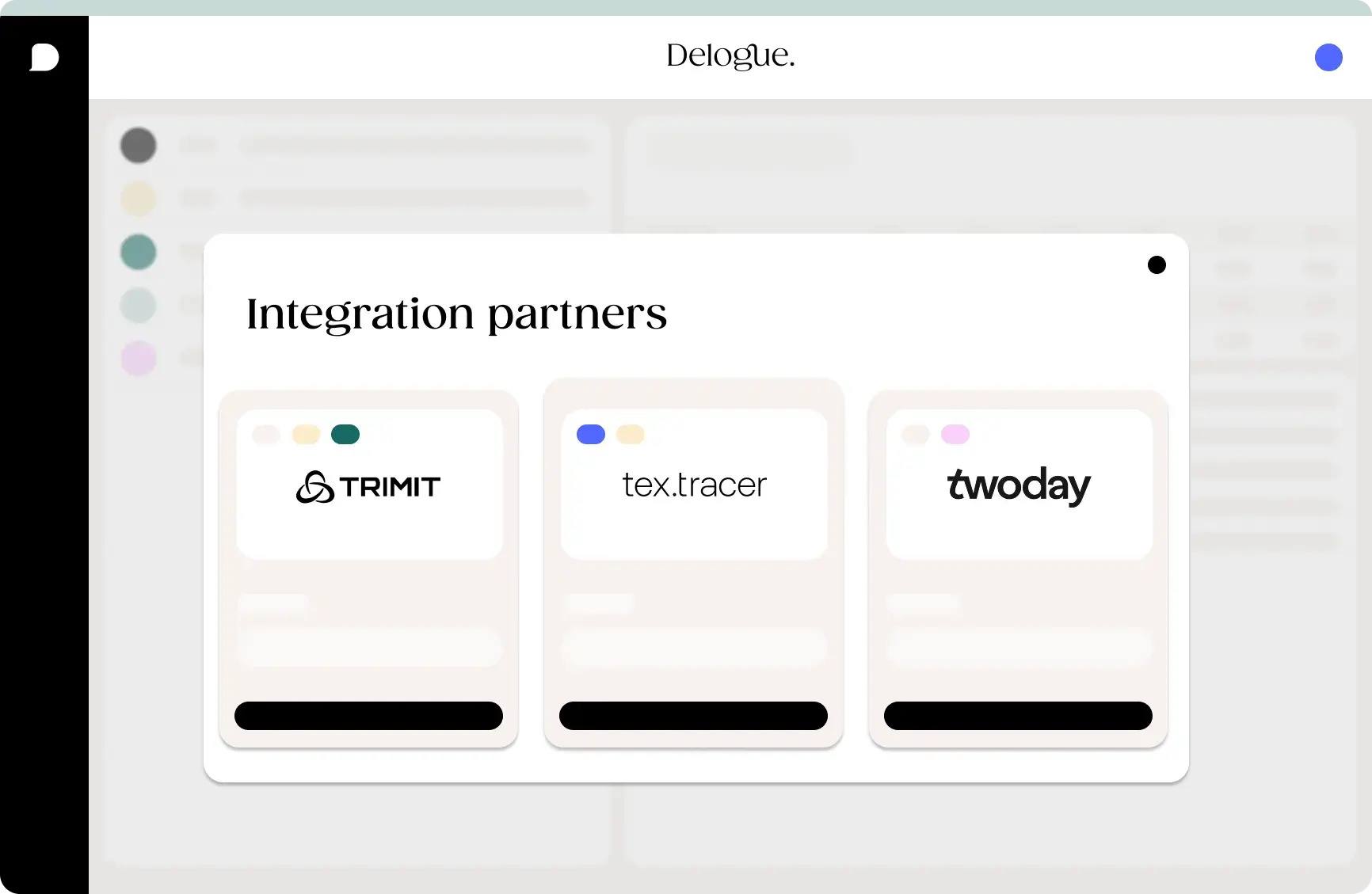
Because the reality is, most brands are not working in just one place. You have your PLM, your ERP, your sustainability tools, maybe more. And if these systems are not connected, the same information still has to be moved manually from one place to another. That is where a new kind of friction appears. This is exactly where the industry is heading right now. Towards more connected ecosystems, where systems speak to each other and data flows naturally between them. Not in a technical or complicated way, but in a way that simply makes the work easier.
When that connection is in place, things start to click on a whole new level. Data moves without effort, updates stay aligned, and decisions can be made with confidence. It is not just about speed, but about accuracy and readiness. And that is where compliance and creativity truly begin to move side by side.
Where it all comes together
All of these thoughts around transparency, connected ways of working, and making data flow are not just ideas we like to talk about. They are things we actively try to bring to life in the industry.
That is exactly why we created TechThreads in Copenhagen. It is our way of turning these conversations into something real. A space where brands, tech providers, and industry experts come together to share how they are actually working with connected data in practice.
Because it is one thing to read about it. It is something else to experience it. To hear how others are solving the same challenges, to ask questions, and to see how collaboration can work across the industry.
TechThreads is where operational excellence moves from theory to action. Where connections are not just between systems, but between people.
Curious to join us? Explore the everything about the event here.
“
“TT is about bringing people together, because there’s something truly special in the moment when the right people meet and create something better together.”
Maja Carvell Strecker, Event Coordinator at Delogue PLM
Check out our monthly webinar
Every month, we host a webinar, often in collaboration with our IT solution partners and leading industry brands. The topics vary, but one thing remains the same: we aim to make the fashion industry’s challenges more manageable and share our take on practical, hands-on solutions.
Check out this month’s webinar by clicking the button below.
6 minute read