Skip to content

PLM for Design Teams


PLM fashion: Better workflow for design teams


Designers work in sketches and visuals, and the work changes fast as ideas evolve. 


What slows it down isn’t creativity, but missing context when information is spread across tools. Design choices also carry real consequences, shaping cost, margin and timing long before a style is final. 


Delogue PLM for fashion keeps design work connected to the wider product development flow, so teams stay aligned as styles move forward.

ROTATE - fashion (1)

Empowering 300+ brands 
resteroods Hummel patta strauss-1 CR7 Christiano Ronaldo jbs coop PAS NORMAL STUDIOS-1 LFDY logo mini-rodini-wordmark1-1 sebra ID Rotate HAPPY SOCKS Basic Apparel 2nd Day EFVA ATTLING Seeland minimum NEO NOIR Magasin Bianco Beckmann kvadrat-logo ARKK Copenhagen Day Et Søstrene Grene Stine Goya ROSEMUNDE Rabens Saloner Won Hundred Select RAINS WHEAT Maanesten TELL ME MORE casall kintobe ALMA F Båstad gruppen kgs sløjd selfmade_main_logo
  • Design work is hard to do on top of emails and spreadsheets

Solution industries click (1)

Designers are expected to move fast, while staying creative. But when style information is spread across files and messaging tools, daily workflows quickly become fragmented. 


Scattered files and feedback are easily buried. Instead of being creative, designers spend time searching for information and answering the same questions.


In this kind of setup, comments and approvals lose their connection to the product itself and small misunderstandings escalate into late-stage changes.


In environments lacking in a PLM for fashion, design work becomes increasingly difficult to manage, maintain, and scale across collections and teams.
What PLM fashion changes in your day as a designer

Delogue PLM for fashion changes how design work feels day to day. Instead of managing information across tools, designers work from one live style view where visuals, files, comments, and decisions stay connected.


Design work becomes clearer, calmer, and easier to share with the rest of the team and the suppliers. With Delogue, designers stay focused on design through simple style creation, connected design files and visualised collections.

Simple and easy style creation

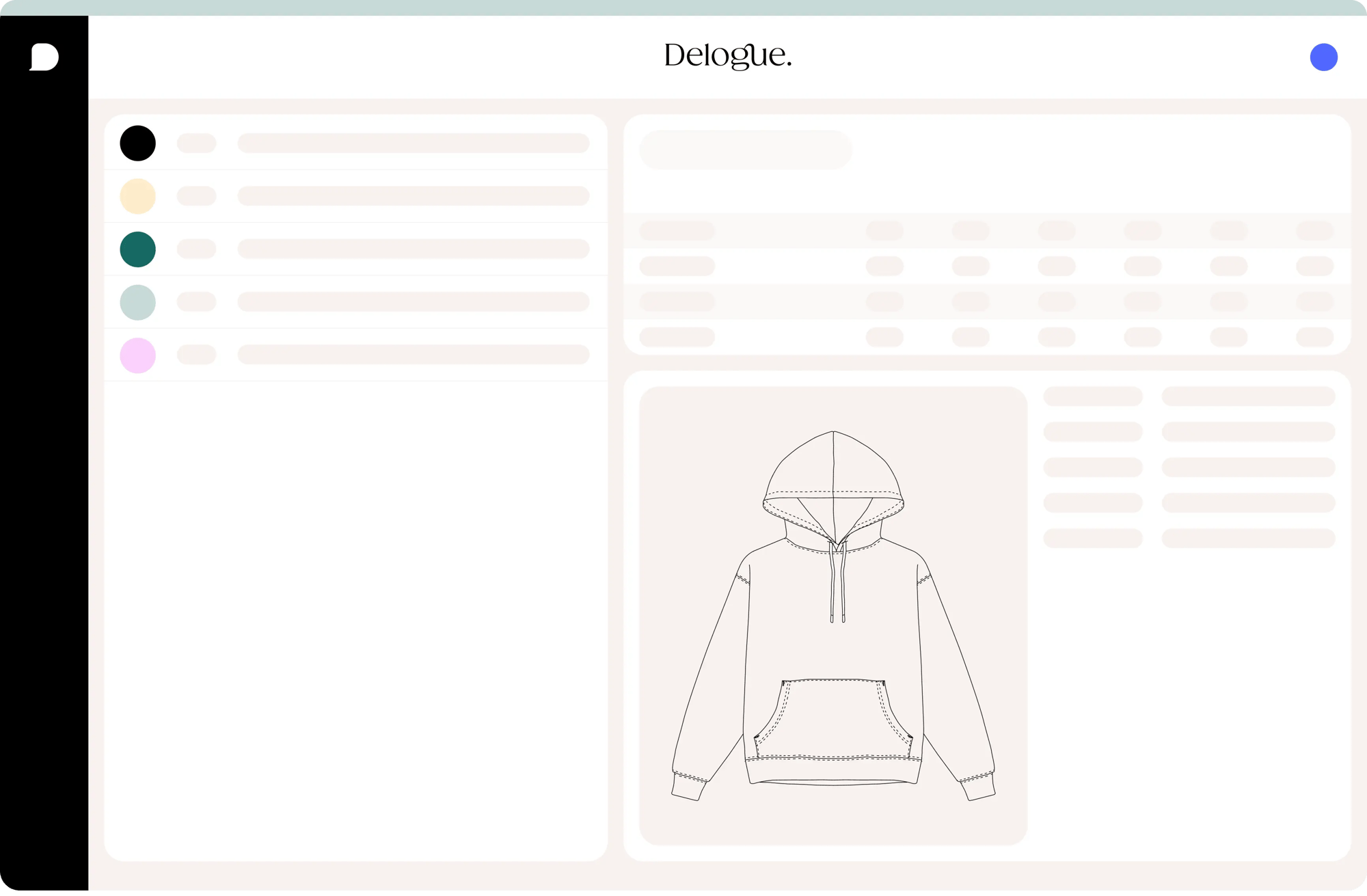
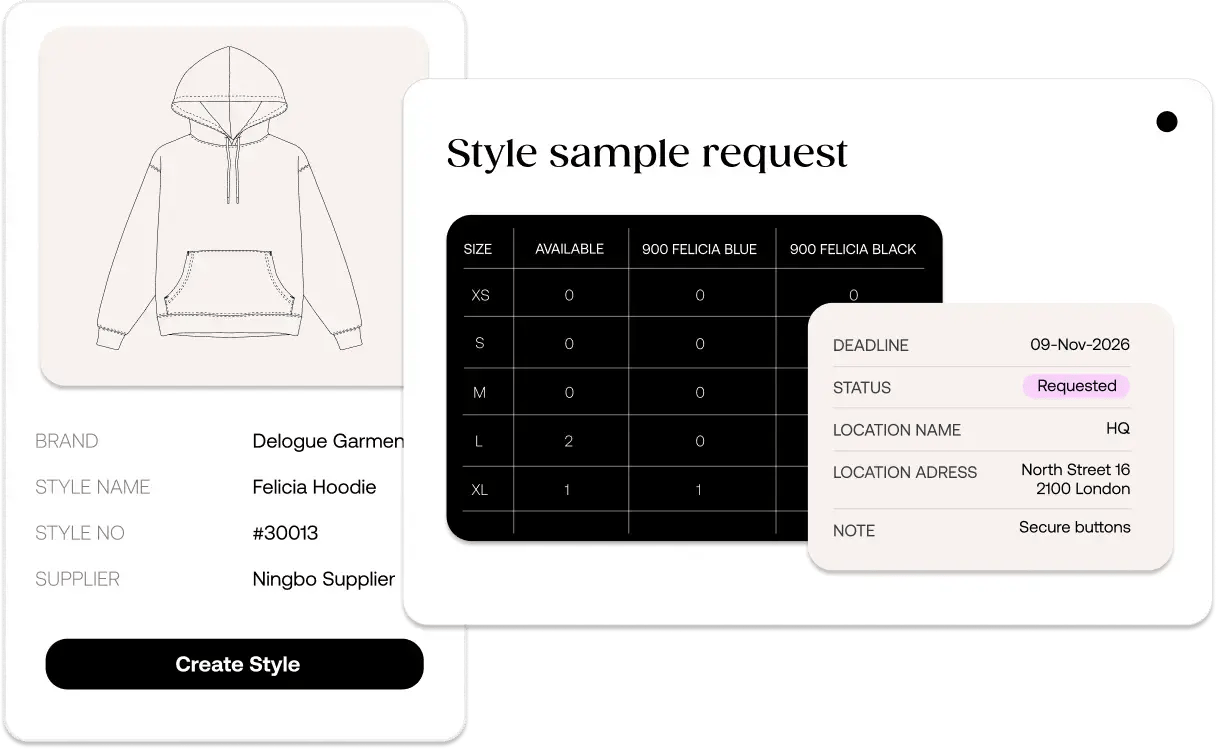
Designers create styles directly in Delogue with a clear structure from the start, adding core information and visuals once and reusing them throughout development - no re-entering data.

Connect your design files

Sketches, CAD files, artworks, and references are linked directly to the style. No more guessing which file belongs to which version or digging through folders to find the right one.

Visualise the entire collection

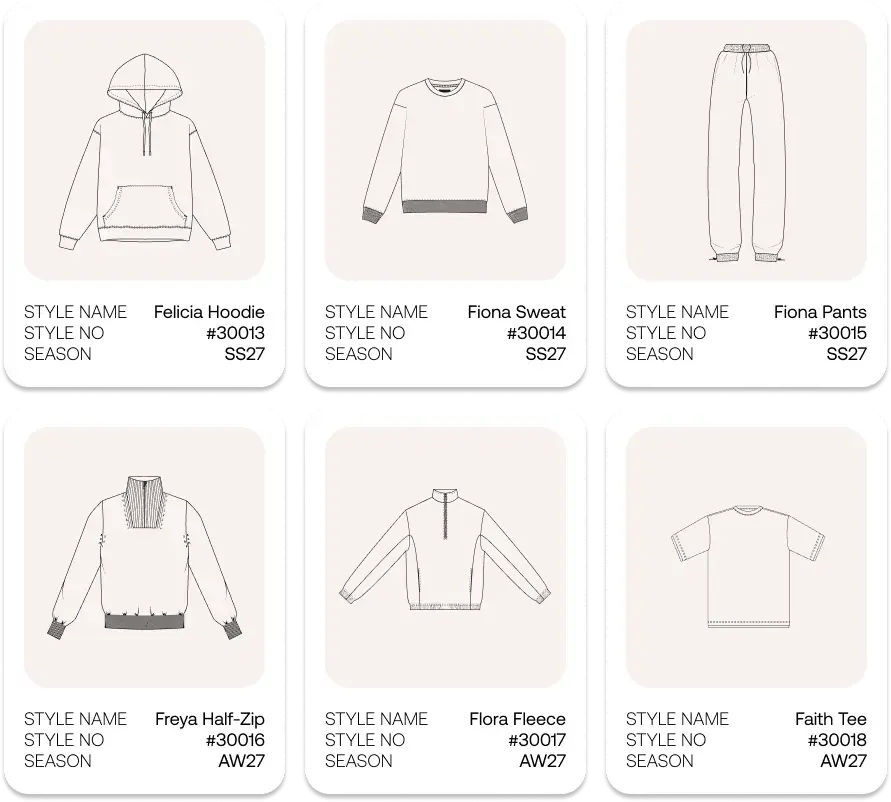
Designers can view styles together as a collection, making it easier to balance silhouettes, colors, and stories. The collection evolves visually as designs move forward.

What PLM fashion changes in your day as a designer

Delogue PLM for fashion changes how design work feels day to day. Designers work from one live style view where visuals, files, comments, and decisions stay connected.


With one clear workflow, design work becomes calmer, and easier to share with the rest of the team and the suppliers.

Simple and easy style creation

Designers create styles directly in Delogue with a clear structure from the start, adding core information and visuals once and reusing them throughout development - no re-entering data.

Connect your design files

Sketches, CAD files, artworks, and references are linked directly to the style. No more guessing which file belongs to which version or digging through folders to find the right one.

Visualise the entire collection

Designers can view styles together as a collection, making it easier to balance silhouettes, colors, and stories. The collection evolves visually as designs move forward.

Collective PLM for fashion: From first sketch to final spec in one flow 


Great design doesn’t happen in isolation. Every style moves from development into supplier execution, with each step relying on the last.


PLM for fashion connects these stages in one shared flow, so design intent carries through accurately. Designers work in the same system as product development, buying and suppliers - all aligned around the same product data.


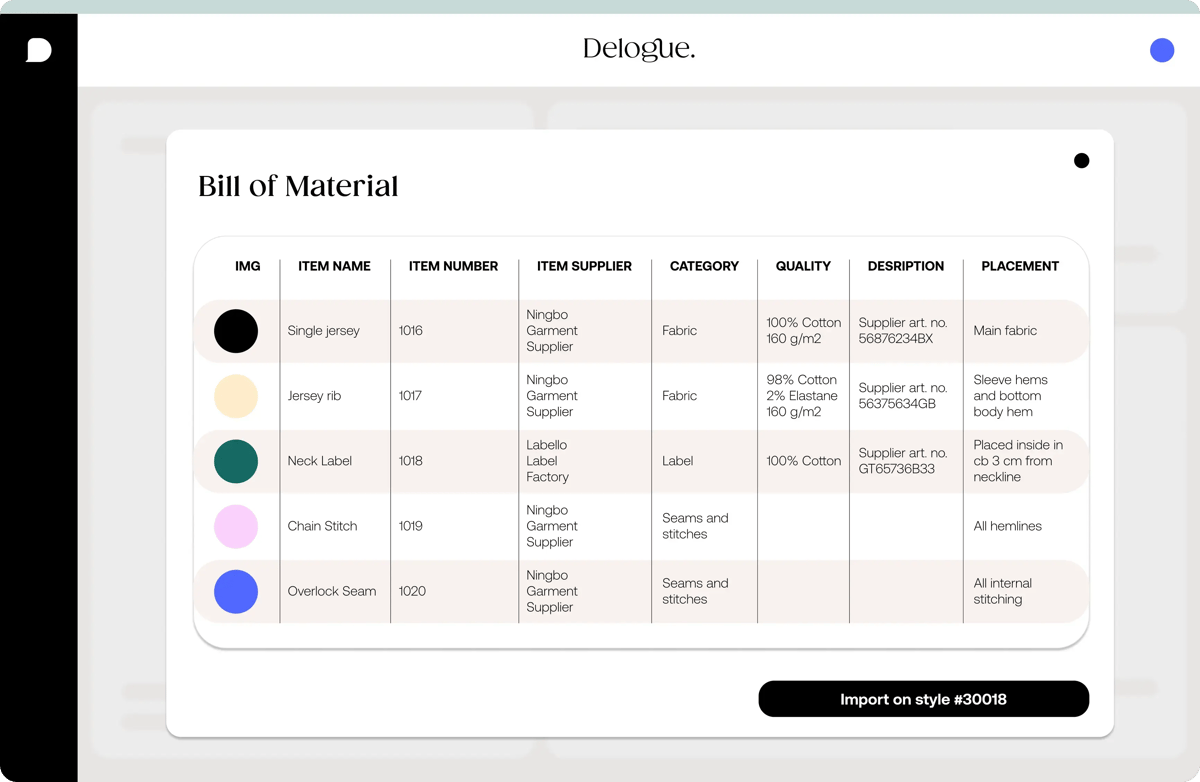
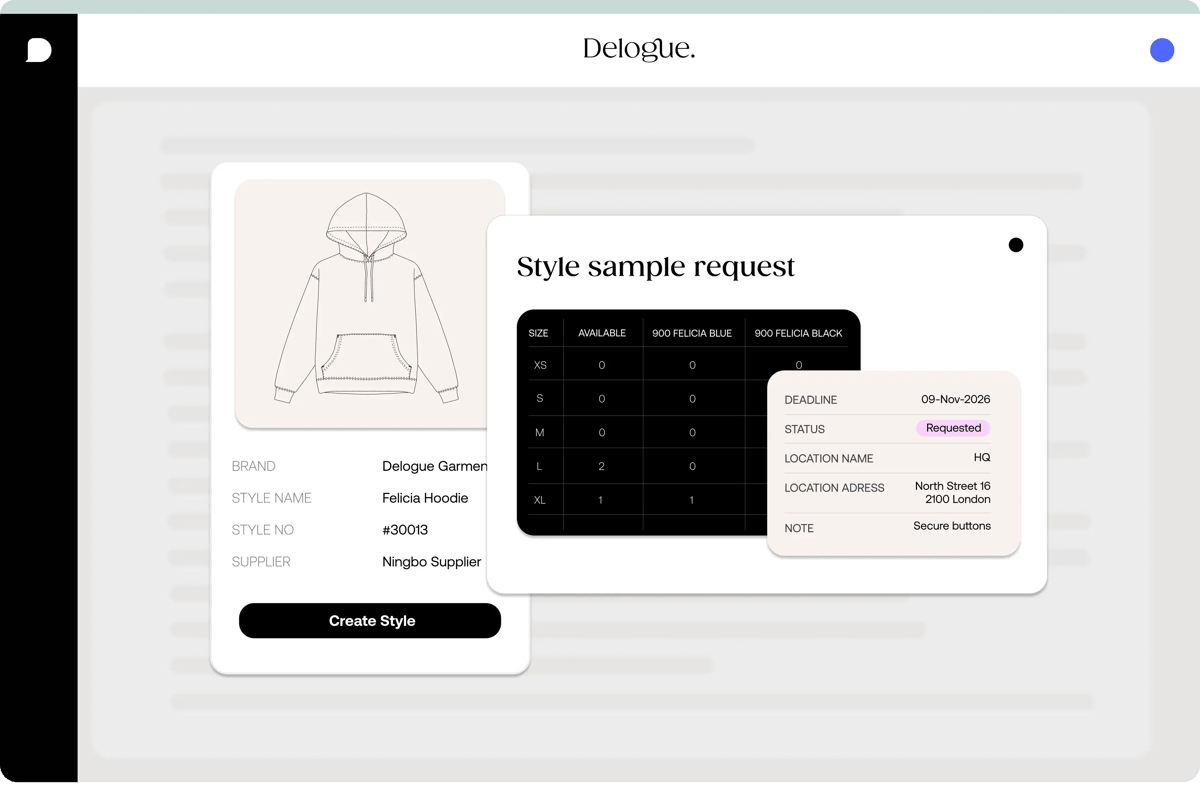
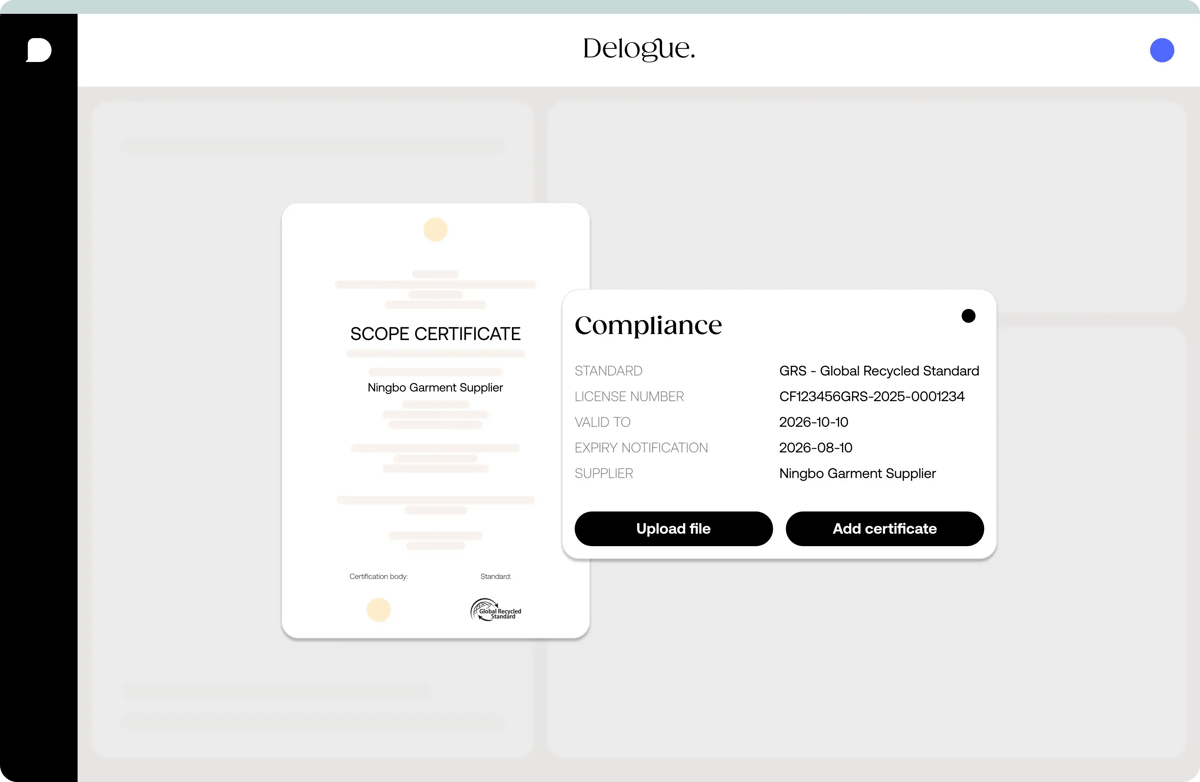
As styles evolve, specifications are built and refined in context, so technical details are ready when suppliers need them. This supports earlier alignment on feasibility and provides clear visibility into design changes.


6 styles

Keeping design, product development and 3D fashion design in sync


As 3D fashion design becomes a bigger part of product development, strong alignment across teams and tools becomes essential. 


When 3D systems operate separately from product data, designs risk drifting away from technical reality as changes accumulate. 


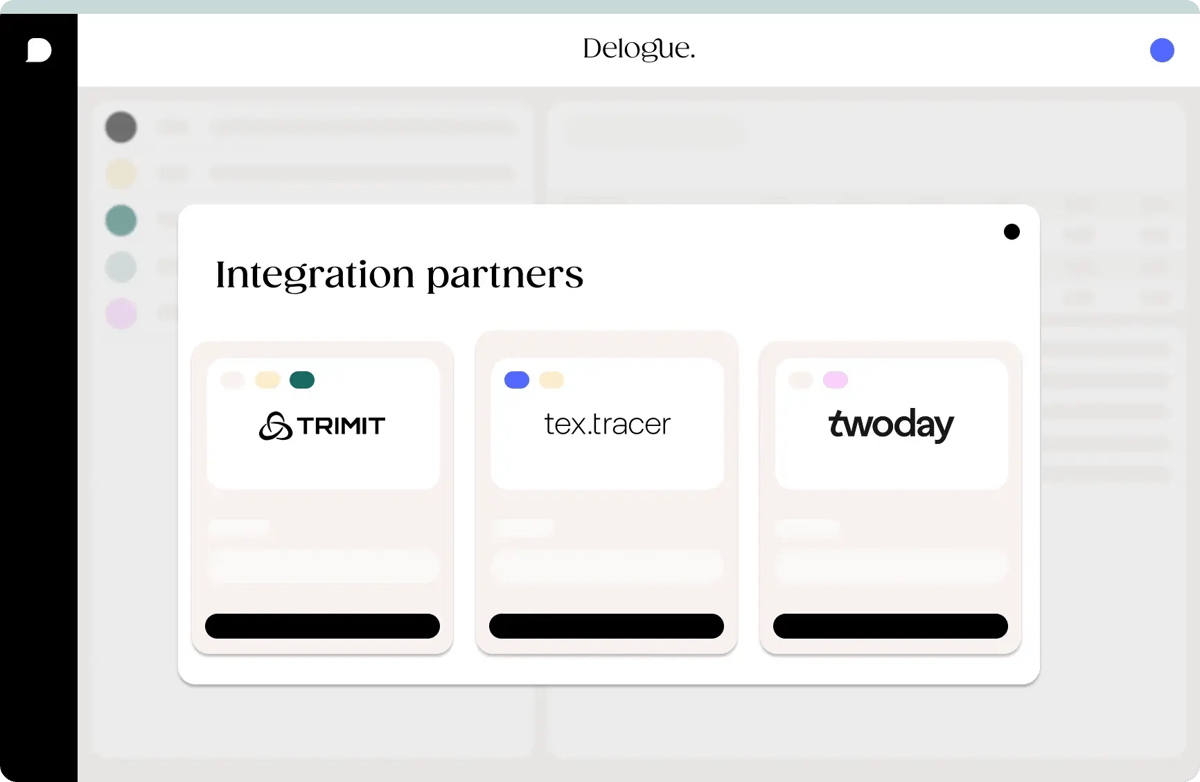
Delogue supports a workflow where PLM in fashion connects design, product development, and 3D fashion design within one shared structure. Design files, specifications, and updates remain linked directly to the style, regardless of whether they originate from 2D or 3D tools.

style create + sample

Real stories. Real results.

See how brands like yours work with Delogue to simplify product development and create better collaboration across teams

01 — 03

Delogue gives us a good place for our product development teams to work closely with vendors and suppliers. And with the integrations we’ve built to our other systems, collaboration has become much more seamless.”

Astrid UttenreitterTeamlead PMO at Hummel

Hummel
Hummel

Managing production sheets and other essential documents manually was incredibly challenging. It was clear that to support our growing team and streamline our processes, we needed a PLM solution.”

Tanja Di Toro MamarellaHead of Product at Pegador

PEGADOR
PEGADOR

We specifically chose Delogue because it is tailored for the fashion industry, offering the crucial supplier access, and is proven in the industry, ensuring reliable support.”

Maria BrorssonBuying Director at House of Saki

HOUSE OF SAKI
HOUSE OF SAKI

The design data you need, without the hunting


Designers need context, not spreadsheets. With Delogue PLM for fashion, relevant information is available directly on the style, presented in a way that supports creative work rather than turning designers into controllers. 

Better workflows, stronger margin and timelines


Design decisions always have a business impact, whether designers are asked to consider it or not. Choices around materials, construction, and design details influence timelines, sample rounds, and downstream adjustments.

Footwear


Footwear development is component-led and detail-heavy. The product is built from many parts, and progress depends on precision across versions and supplier updates. 


A fashion PLM system matters in footwear because it keeps the product record stable as the style evolves, so teams can trust what’s approved and what’s current. It also supports cleaner collaboration with specialised suppliers, where clarity and log control are essential to avoid delays.

BIANCO - footwear

Accessories & Lifestyle


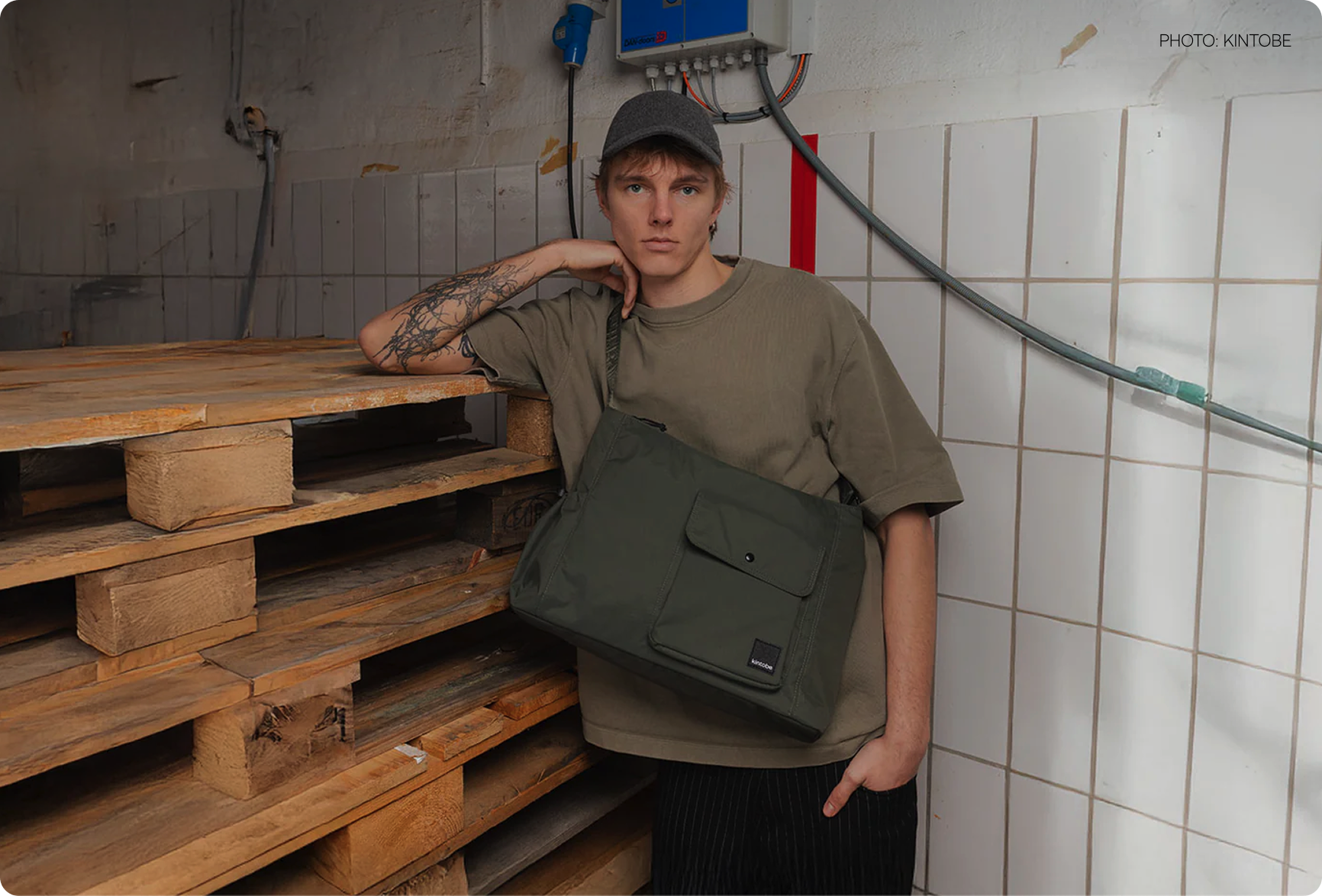
Accessories and lifestyle products tend to move fast, with frequent refreshes and broad assortments. Changes can be small on paper but big in cost and lead time.


A modern fashion PLM setup matters here because it keeps product detail controlled as the assortment grows, so teams don’t lose time to misalignment across versions. It also supports consistency across a wide range of products without forcing teams into rigid ways of working. 


In accessories, the risk is rarely a single big mistake. It’s a steady build-up of small errors that create delays and rework. Delogue helps prevent that drift.

KINTOBE - accessories

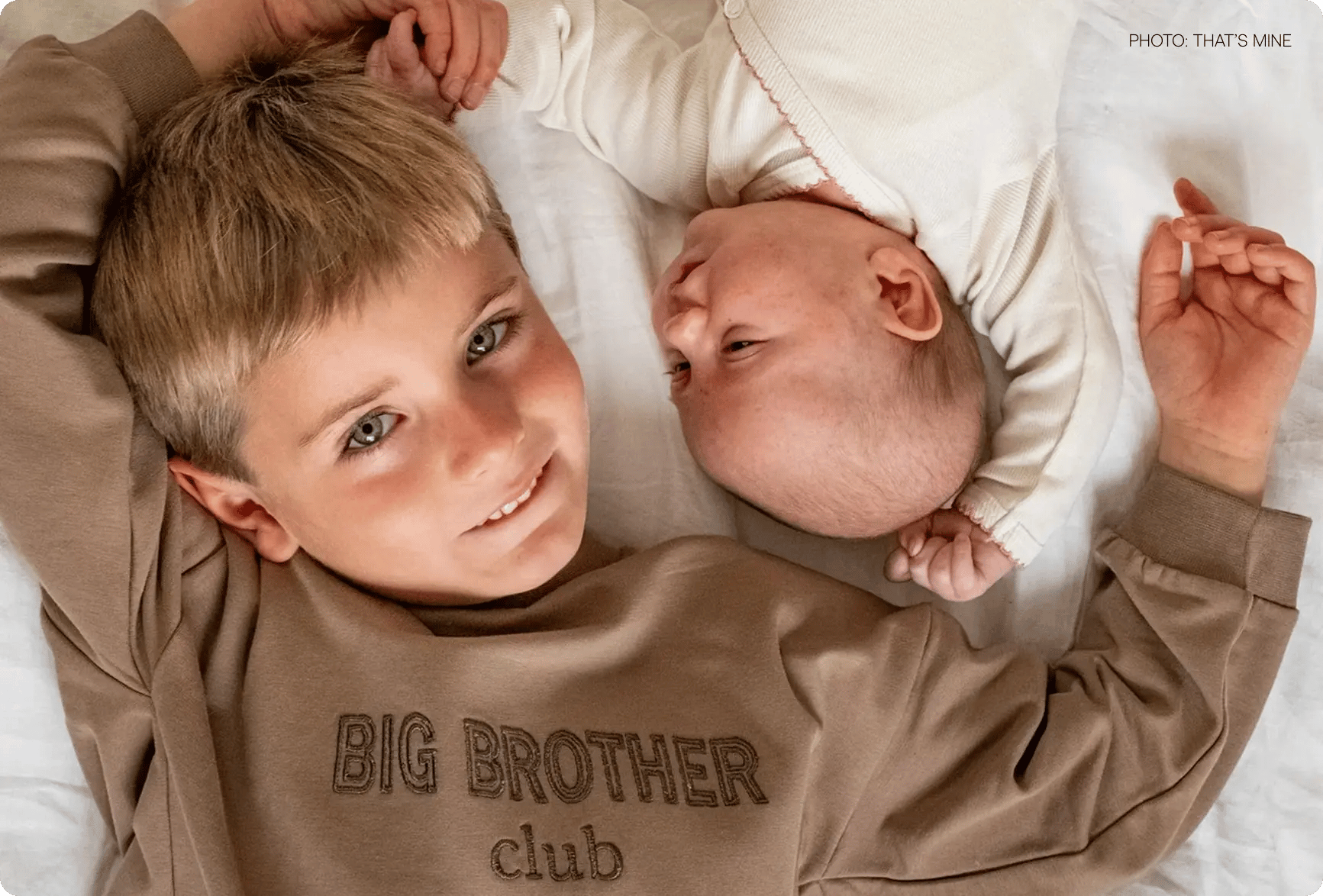
Kidswear


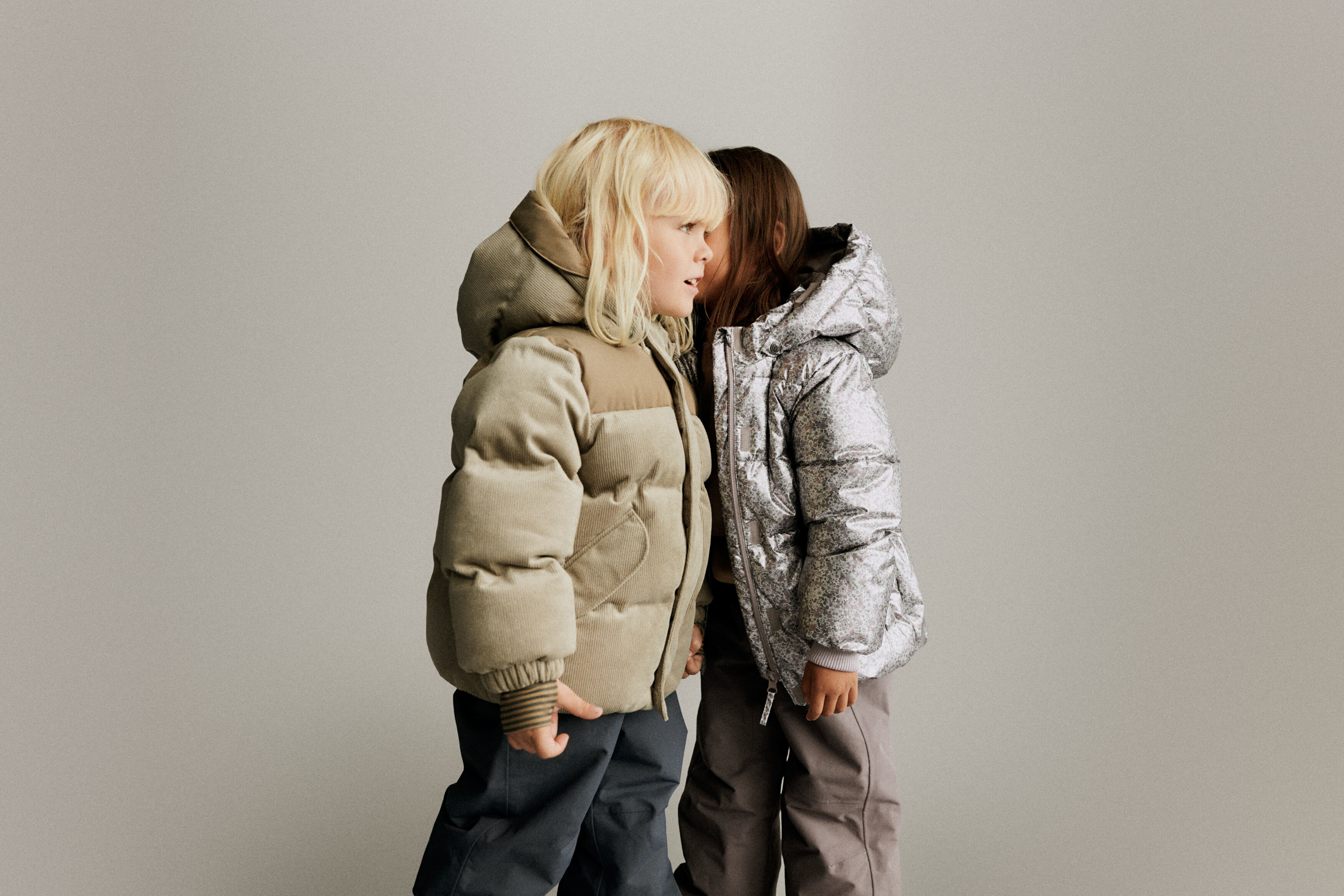
Kidswear demands extra care. Fit, comfort, and safety expectations raise the bar on detail, and products often require closer attention to materials, labelling, and documentation. At the same time, the category still runs on seasonal speed, and collections evolve quickly.


A fashion PLM approach is important here because it keeps the product record clear as styles move through development. It supports consistency when teams are managing many styles and variations under time pressure. 


Kidswear is a category where “nearly right” is not good enough, and where last-minute fixes are especially costly. A modern fashion PLM software foundation helps teams stay accurate.

THATS MINE - kidswear

How it feels to design in Delogue instead of static tools


Designing in Delogue feels noticeably different: less noise, fewer interruptions, and more room for creative flow. Designers work with greater calm because clarity replaces confusion around versions, feedback, and decisions.

With Delogue PLM for fashion, design work stays creative while becoming easier to carry through the entire organisation.

The platform supports focus, ownership, and confidence in the work allowing designers to take pride in how their ideas move from concept to finished product.

Delogue platform basic

Ready to see what PLM for design teams looks like in real life?


See what our PLM for fashion looks like for your design team


.Delogue is built for designers who want structure without losing creativity and for teams that need alignment without slowing down.


If you want to see how Delogue PLM for fashion supports design teams in practice, we’d love to show you. Explore how styles, files, feedback, and collaboration come together in one flow and how 3D fashion design fits naturally into the process.