PLM for Fashion & Lifestyle Brands
Modern PLM Software Built for Fashion & Lifestyle Brands
Product development looks different across categories, but the friction is the same: scattered data, missed updates, supplier misalignment, and late changes that trigger rework.
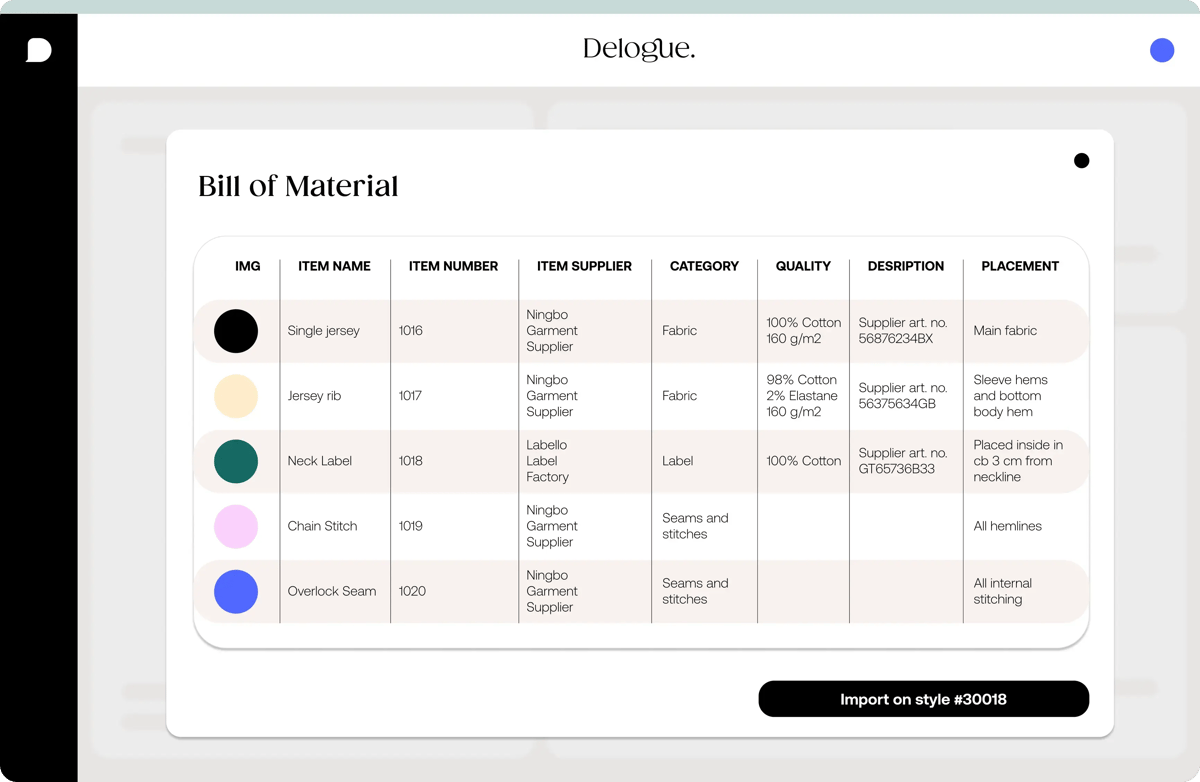
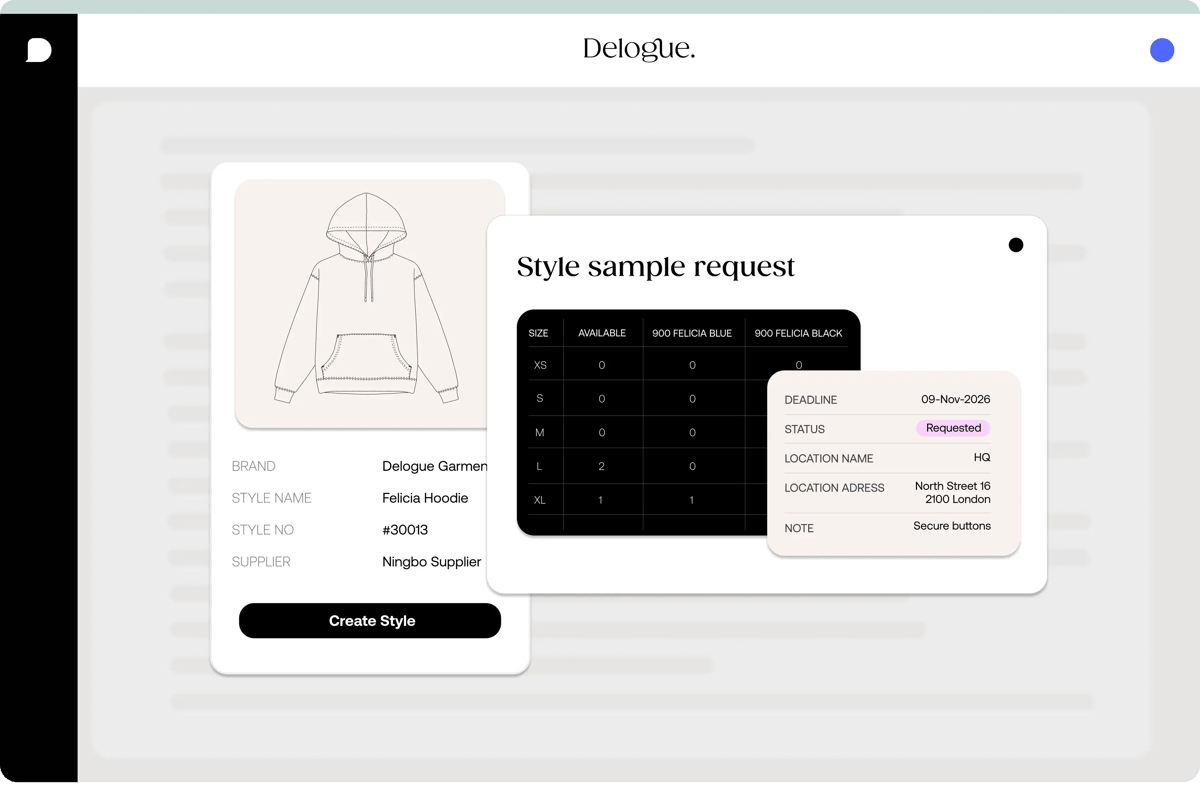
As a modern fashion PLM software, Delogue is built to remove that friction for fashion and lifestyle brands by connecting teams and suppliers around shared product data. Creating one clear workflow, that makes handovers smoother and decisions easier to drive.
It’s the PLM software for the fashion industry that helps protect margin by keeping development moving.
-
Trusted by fashion & lifestyle teams worldwide
Delogue isn’t just a theory. The fashion PLM software is already powering product development workflows for 300+ fashion and lifestyle brands across 74 countries.
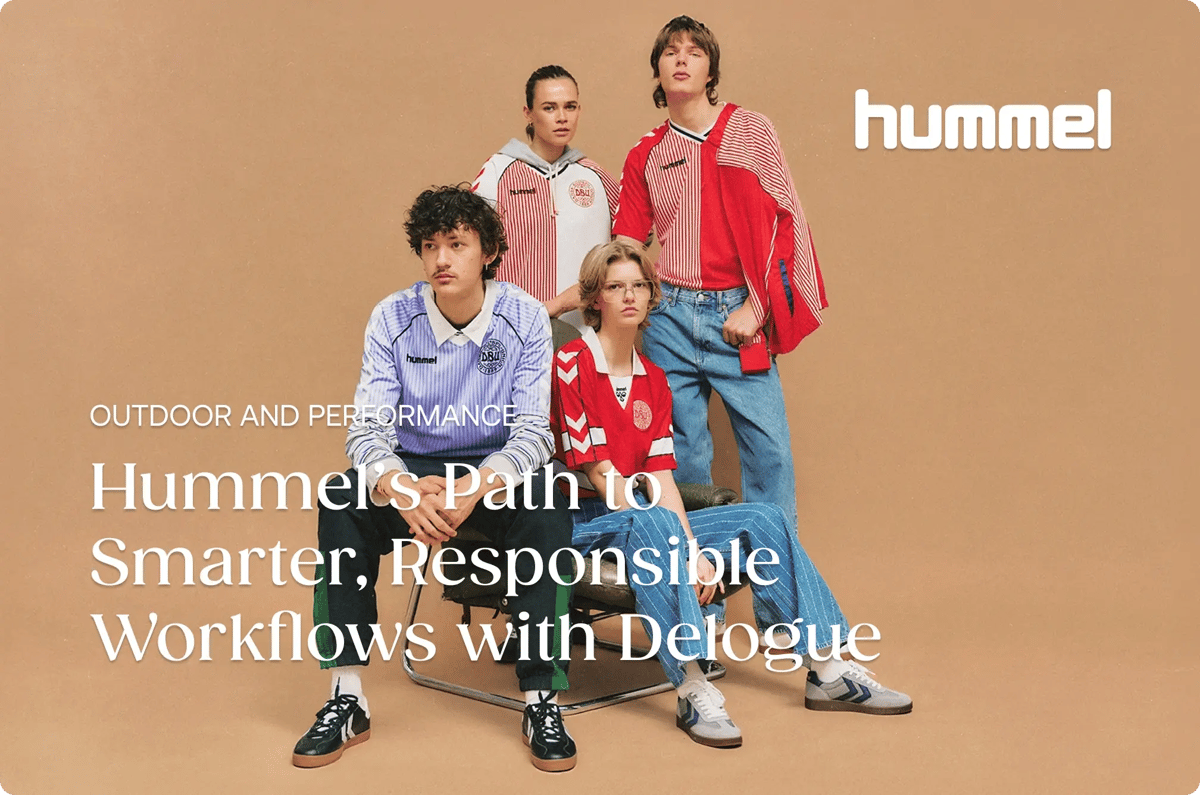
Dive deeper into our customer stories. Here you’ll meet hummel, where Delogue PLM has become a central workspace that brings design, sourcing, and supply chain into one transparent way of working when the season is moving fast.
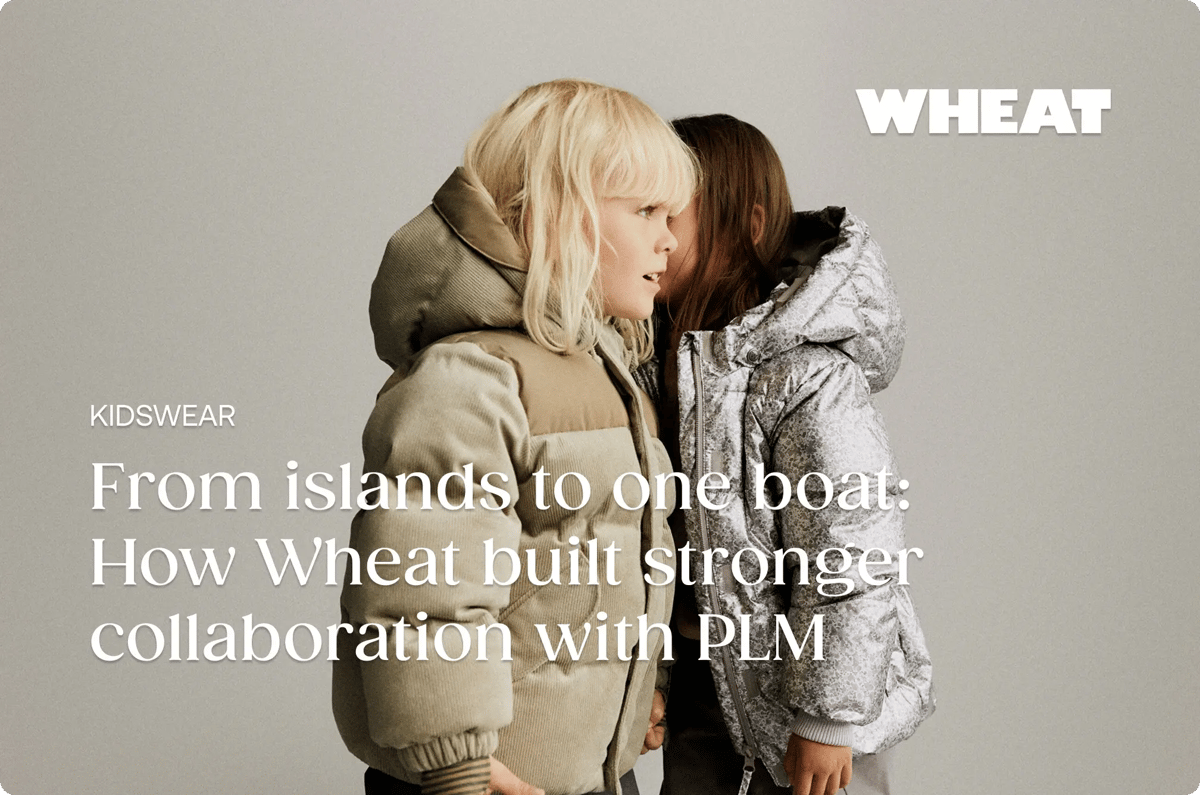
You’ll also meet Wheat & Rethinkit Studios, who describe the shift from scattered email threads to a single source of truth, so internal teams and suppliers can “speak the same language”.
Across different fashion and lifestyle categories, the pattern is the same: better collaboration creates cleaner workflows and stronger execution.
Fashion & Apparel powered by Delogue
Fashion and apparel run on speed, timing, and margin-critical decisions. But the reality looks different across categories from seasonal fashion to performance-driven products and compliance-heavy ranges.
What they share is the same operational pressure: complex supplier networks, constant iteration, and zero room for late surprises. That’s exactly why we’ll break down each fashion and lifestyle industry Delogue supports, the specific pressures they face, and how Delogue helps reduce chaos and protect margin.
Different industry, same pressure
Each segment operates with its own workflows, data needs, and pace of change. Yet they all rely on coordinated teams and suppliers to keep products moving.
Bringing control to complexity
Reduce chaos and protect margins
Workwear
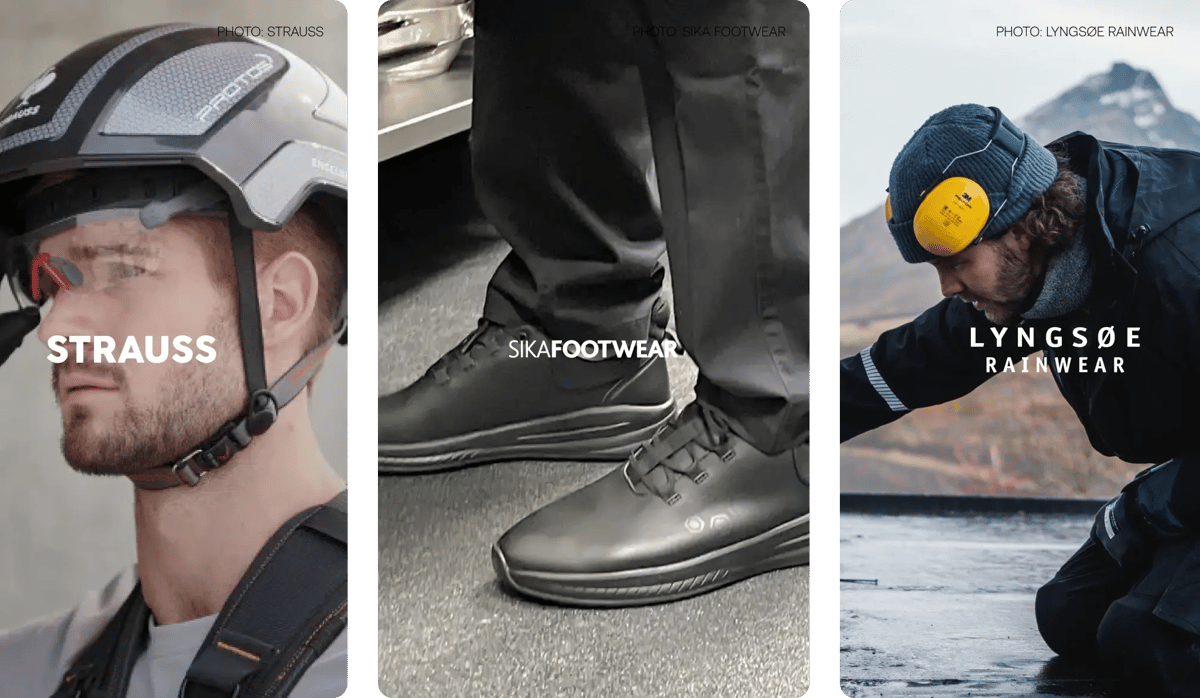
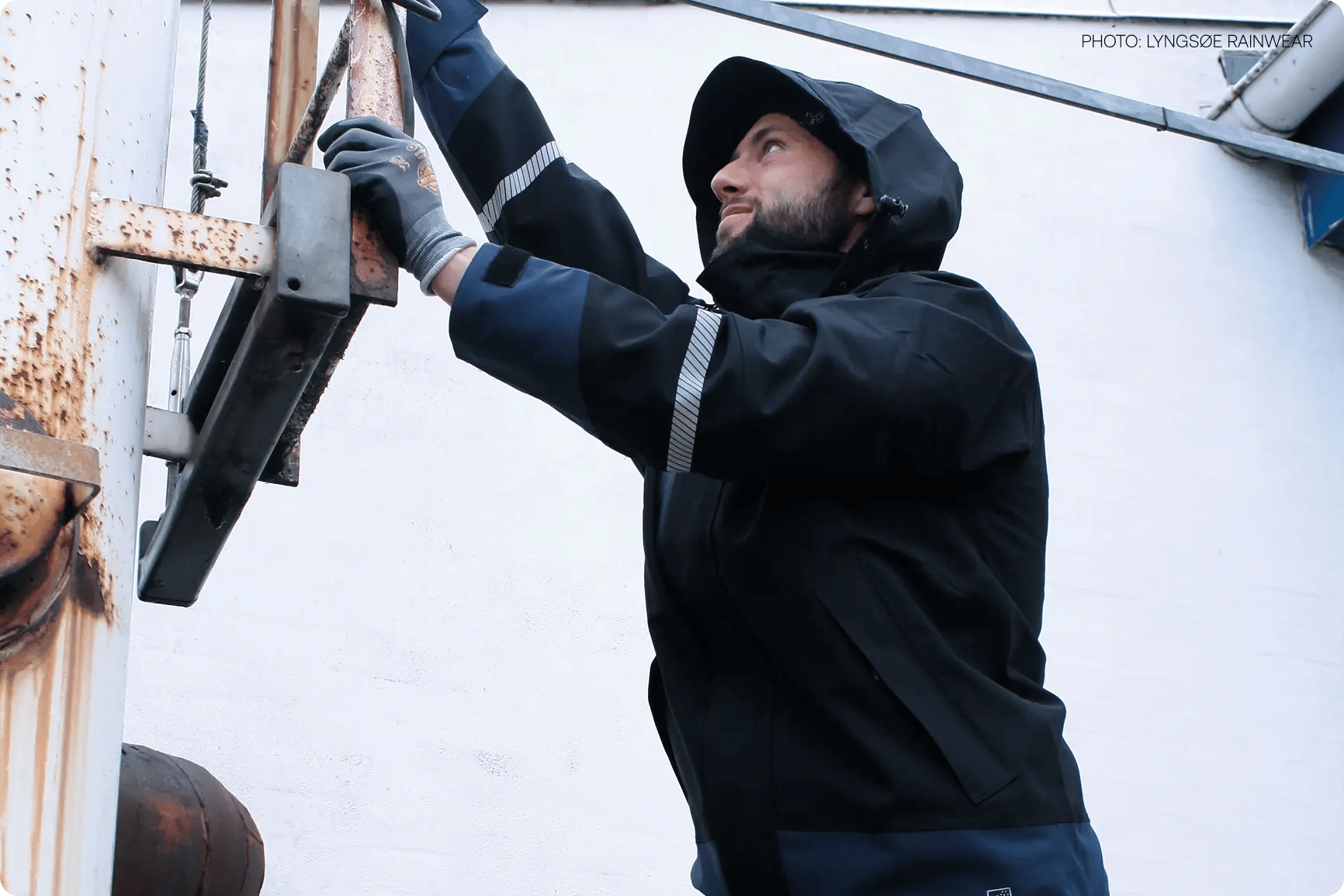
Workwear is defined by requirements. Products often need to meet specific standards, and documentation has to be right because it gets checked. Development tends to involve more stakeholders, more sign-off, and more consequences when details drift.
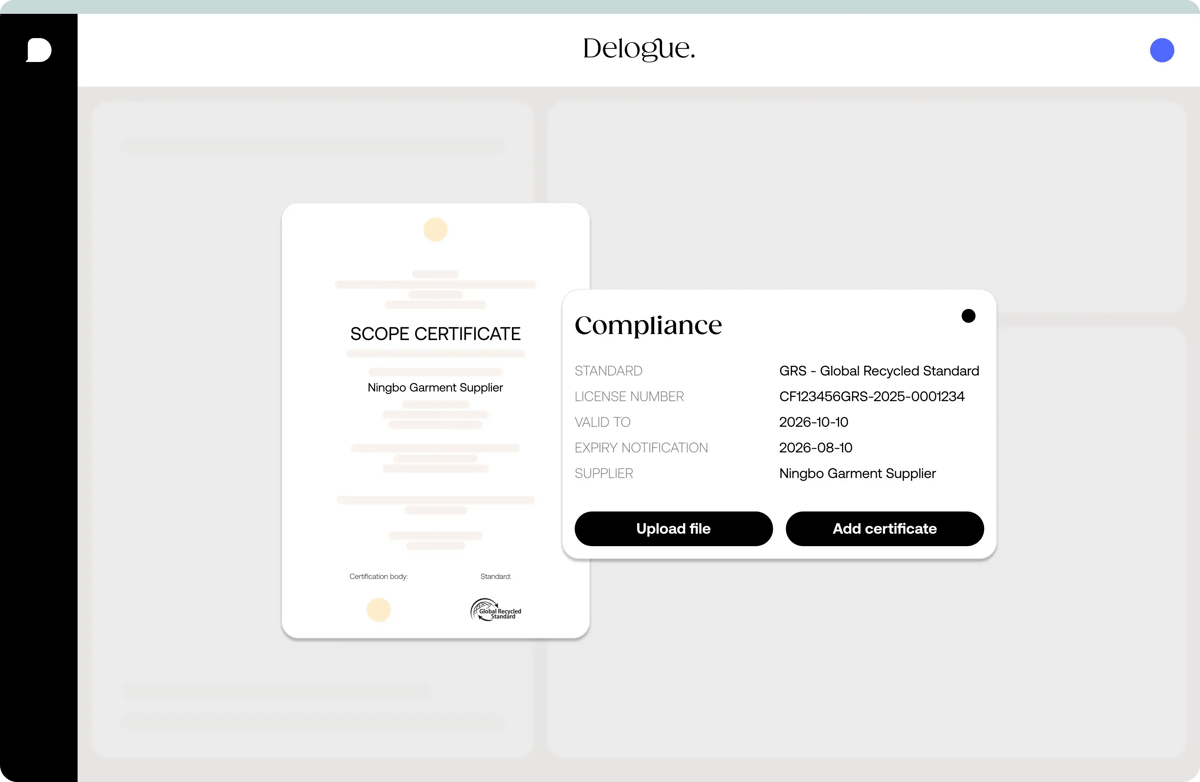
A Fashion PLM software setup is valuable here because it keeps specifications and supporting documentation tied to the product throughout development, instead of being scattered across folders and email trails.
It also helps workwear teams manage stability when a style is updated, since even small changes can affect compliance or performance.
Outdoor & Performance
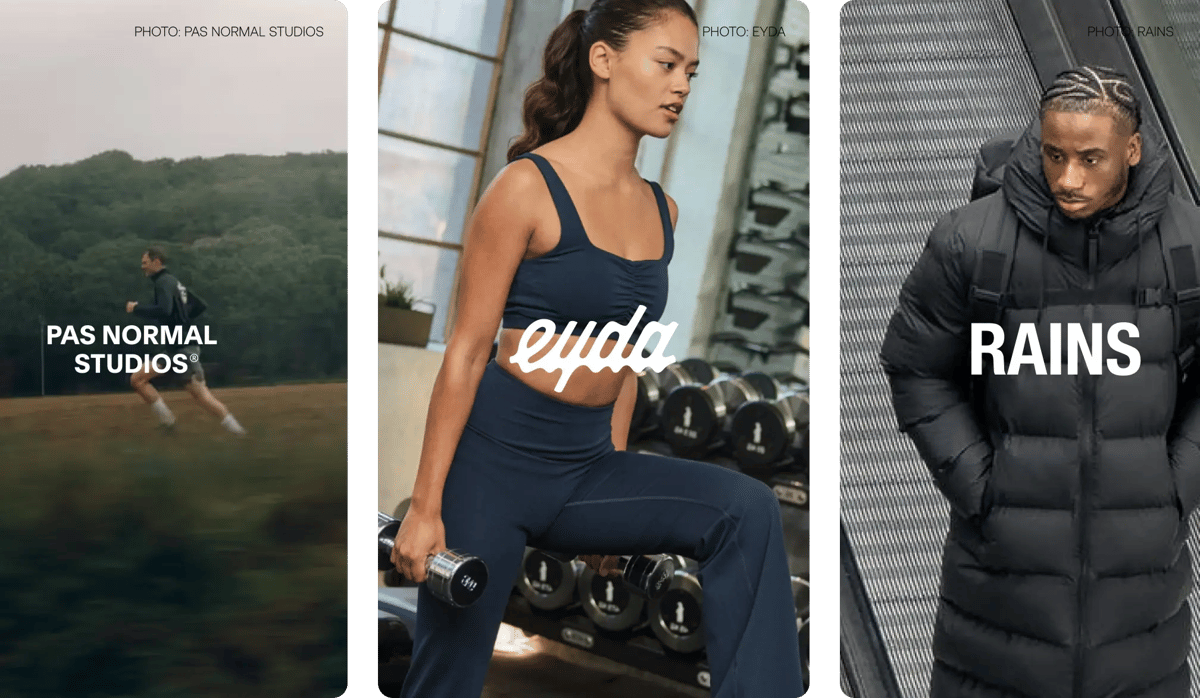
Outdoor and performance categories are shaped by function. Materials, construction, and performance details matter, and the development process often includes more iteration to get the product right. Lead times can be unforgiving, and decisions have knock-on effects across multiple components.
A fashion PLM system becomes important because it keeps technical product information connected as the style evolves. It also helps the work stay stable when multiple parties are involved in development, because the “why” behind a change is often as important as the change itself.
Home & Textile
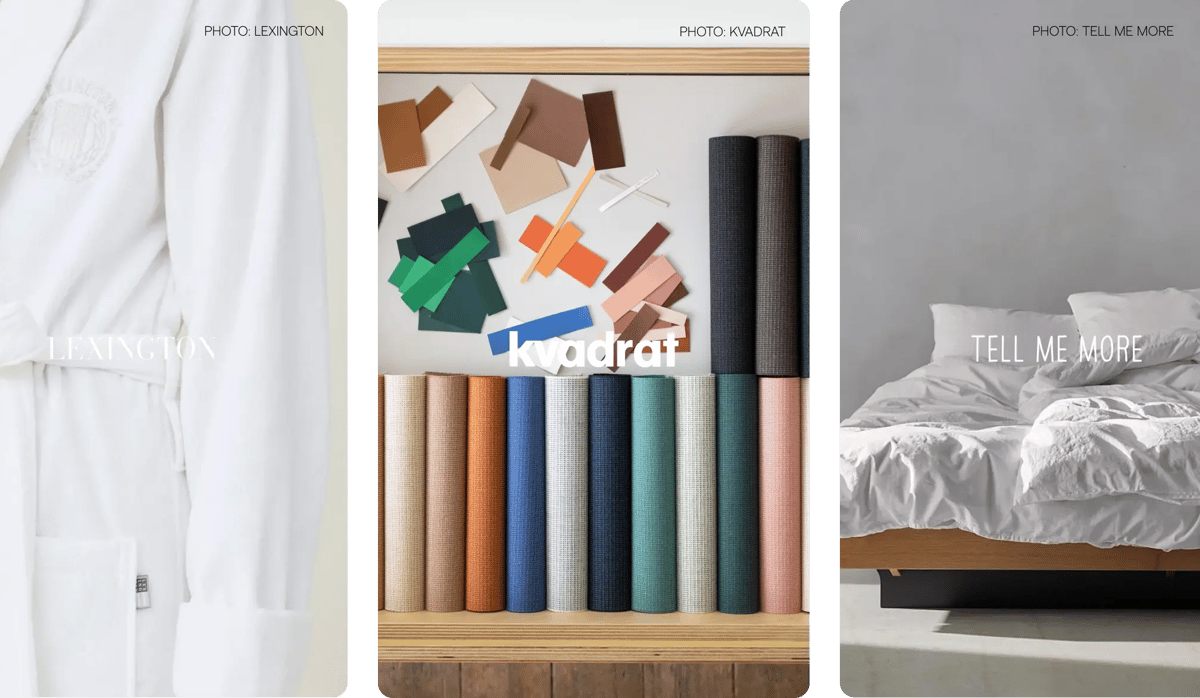
Home and textile product development often carries a different kind of complexity. Ranges can include many variations, repeat designs, and a high volume of details that need to stay consistent across styles and seasons.
A fashion PLM software foundation matters here because it supports structured product records that can be carried forward, adapted, and kept consistent across ranges. It also helps manage the slower-moving parts of the process, where lead times and supplier dependencies make clarity essential.
Home and textile teams need a system that respects range depth and variation, without turning development into admin work. Delogue provides that structure.
01 — 03
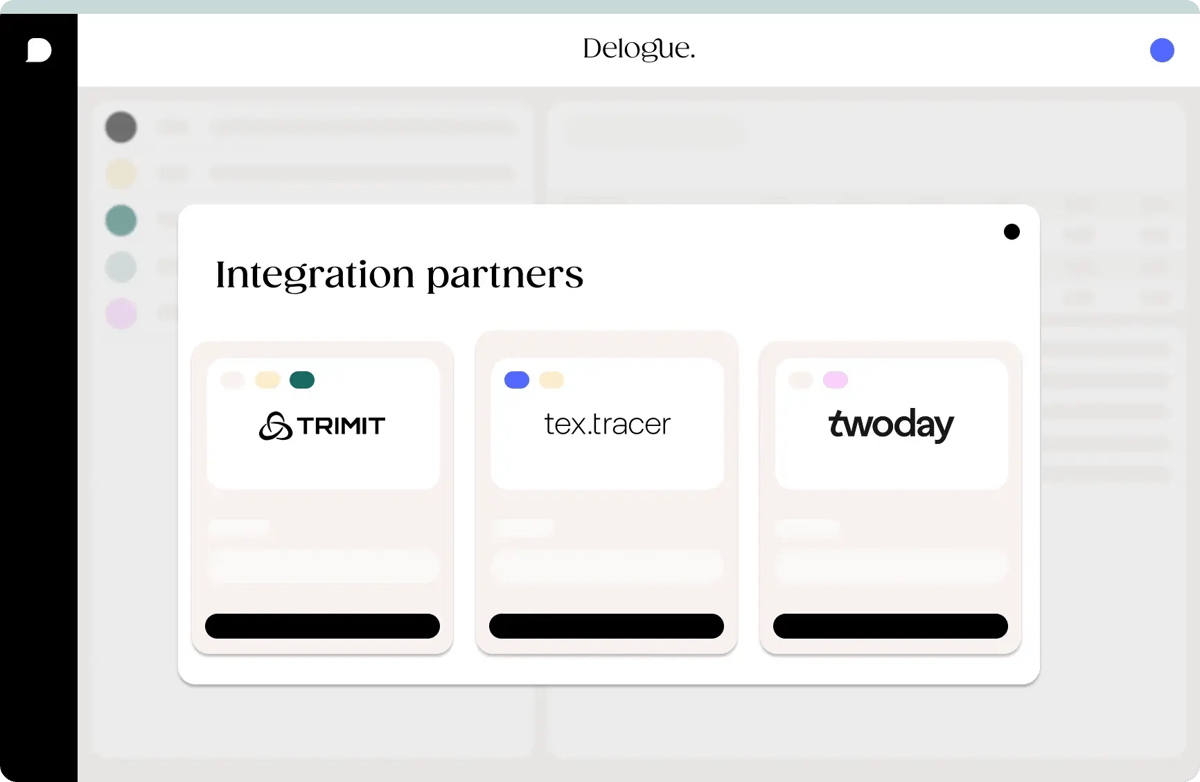
“Delogue gives us a good place for our product development teams to work closely with vendors and suppliers. And with the integrations we’ve built to our other systems, collaboration has become much more seamless.”
Astrid Uttenreitter, Teamlead PMO at Hummel
“Managing production sheets and other essential documents manually was incredibly challenging. It was clear that to support our growing team and streamline our processes, we needed a PLM solution.”
Tanja Di Toro Mamarella, Head of Product at Pegador
“We specifically chose Delogue because it is tailored for the fashion industry, offering the crucial supplier access, and is proven in the industry, ensuring reliable support.”
Maria Brorsson, Buying Director at House of Saki
Footwear
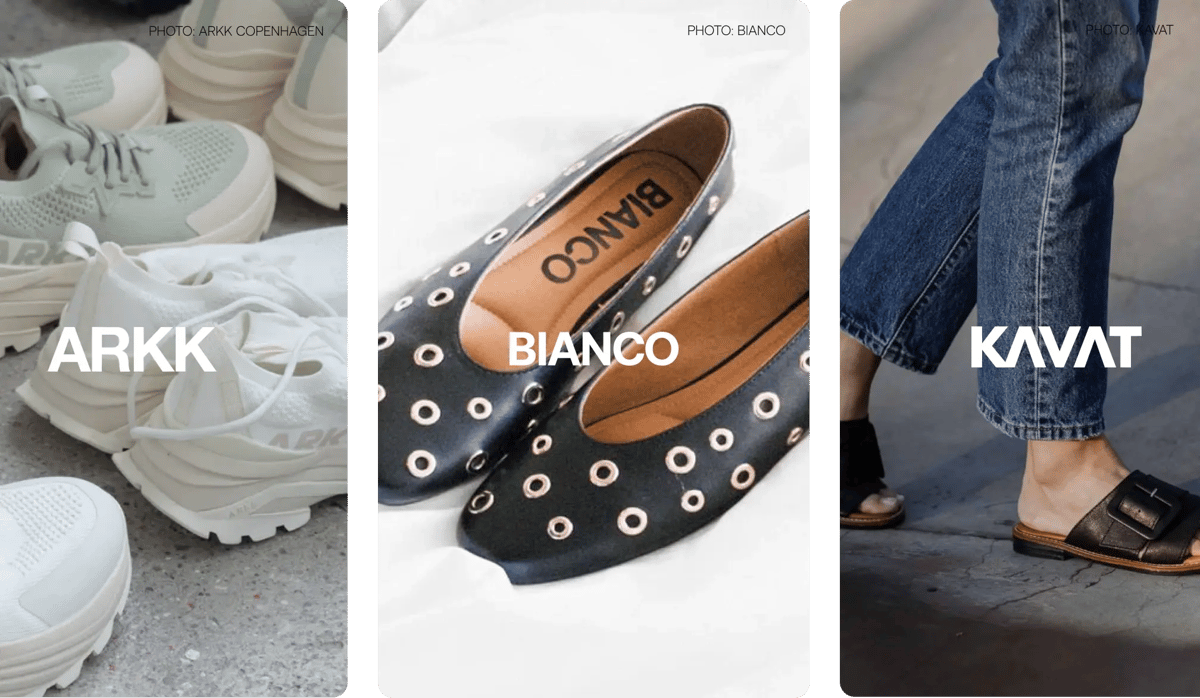
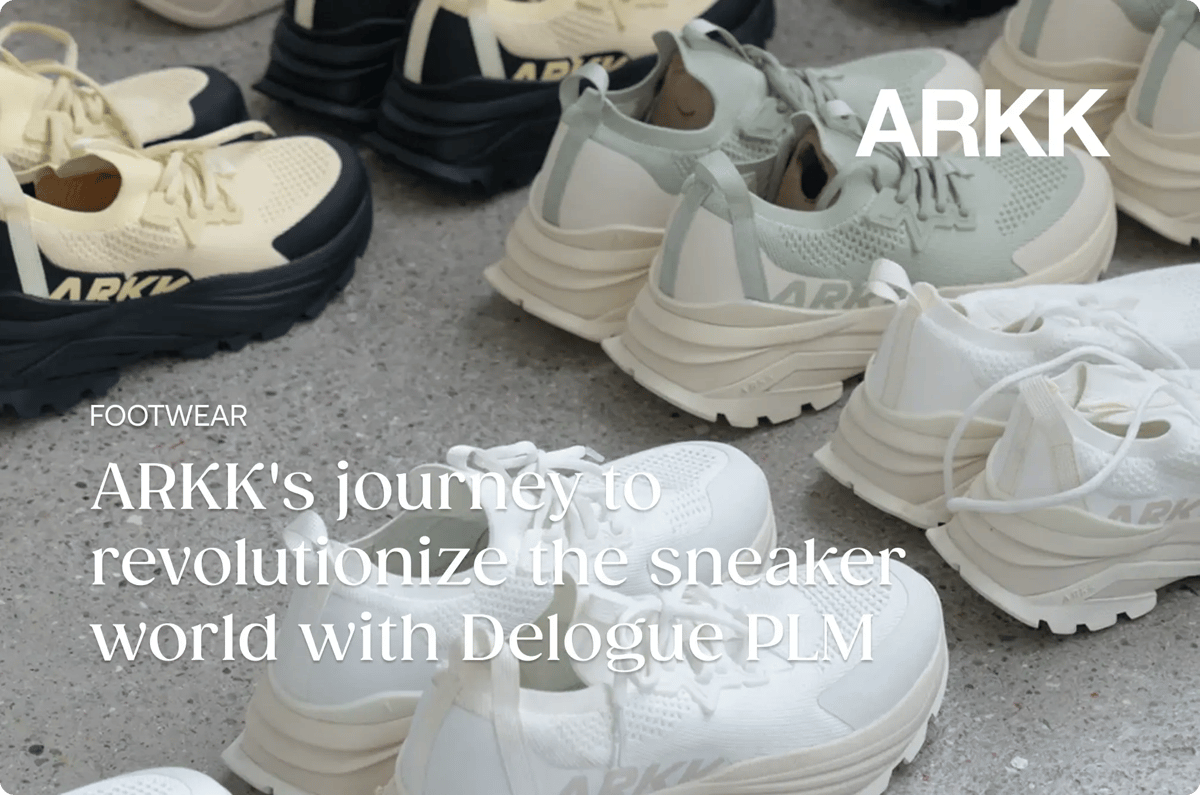
Footwear development is component-led and detail-heavy. The product is built from many parts, and progress depends on precision across versions and supplier updates.
A fashion PLM system matters in footwear because it keeps the product record stable as the style evolves, so teams can trust what’s approved and what’s current. It also supports cleaner collaboration with specialised suppliers, where clarity and log control are essential to avoid delays.
Accessories & Lifestyle
Accessories and lifestyle products tend to move fast, with frequent refreshes and broad assortments. Changes can be small on paper but big in cost and lead time.
A modern fashion PLM setup matters here because it keeps product detail controlled as the assortment grows, so teams don’t lose time to misalignment across versions. It also supports consistency across a wide range of products without forcing teams into rigid ways of working.
In accessories, the risk is rarely a single big mistake. It’s a steady build-up of small errors that create delays and rework. Delogue helps prevent that drift.
Kidswear
Kidswear demands extra care. Fit, comfort, and safety expectations raise the bar on detail, and products often require closer attention to materials, labelling, and documentation. At the same time, the category still runs on seasonal speed, and collections evolve quickly.
A fashion PLM approach is important here because it keeps the product record clear as styles move through development. It supports consistency when teams are managing many styles and variations under time pressure.
Kidswear is a category where “nearly right” is not good enough, and where last-minute fixes are especially costly. A modern fashion PLM software foundation helps teams stay accurate.
Fashion PLM software that supports the entire product development chain
Different industries have different product realities, but the day-to-day work is always shared across people. That’s why Delogue is built around collaboration as a discipline. The platform is designed to support teams across the entire product development chain, so every stakeholder can work from the same product truth at the same time.
When teams share one workflow inside a connected fashion PLM system, handovers don’t break because someone missed an email or opened the wrong attachment. Decisions stay visible in context, and supplier communication stays tied to the product, which makes the process easier to run under pressure.
Misalignment is never abstract. It turns into change after change that has to be fixed later, and that’s where margin gets hit.
Delogue keeps collaboration structured and practical, so the season moves forward with fewer surprises and less correction work.
Ready to see what PLM for fashion & lifestyle looks like in real life?
Ready to explore Delogue’s fashion PLM for your industry?
Start with the industry pages above, or book a demo to walk through your workflow with our team.
Delogue is fashion PLM software built to connect teams and suppliers in one shared process, so product development runs smoother and margin stays protected.